


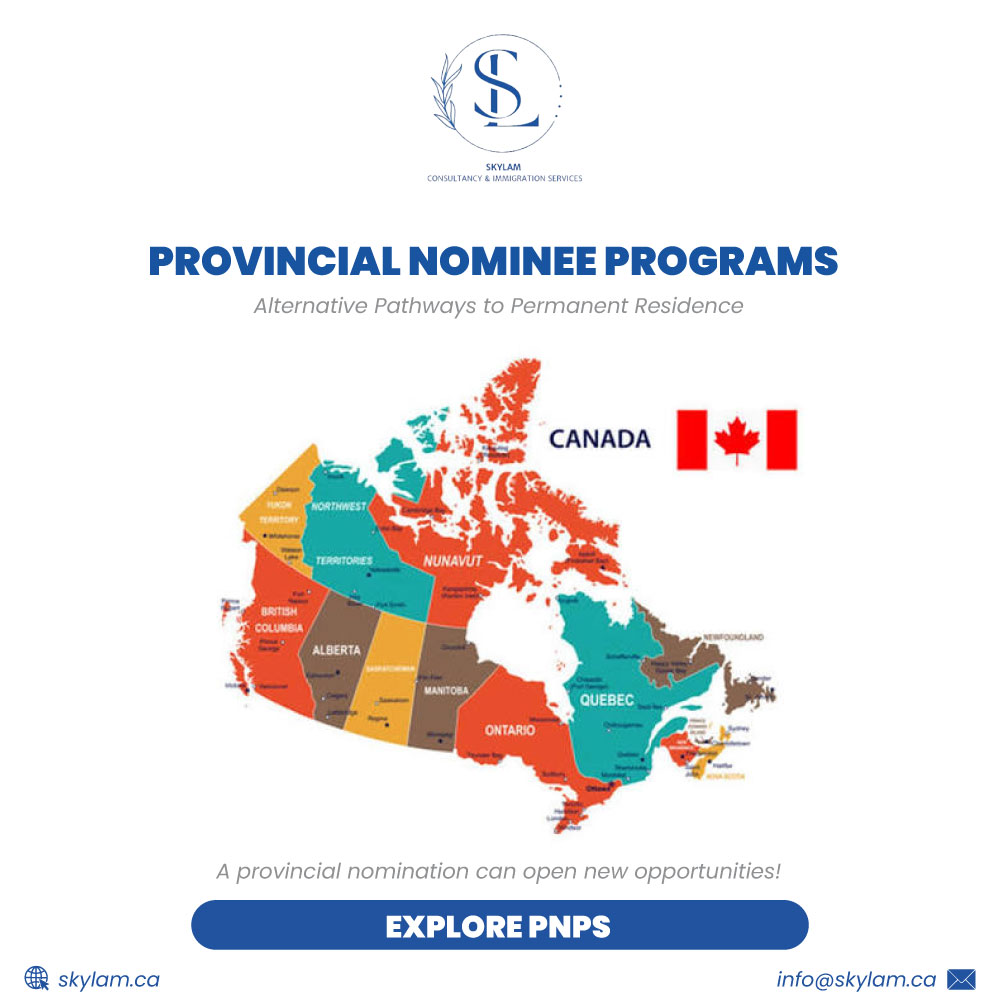
Canada is known for its diverse provinces, thriving economy, and welcoming immigration policies. While many people are familiar with the Express Entry system, fewer understand the importance of Provincial Nominee Programs (PNPs). These programs play a crucial role in helping provinces meet their workforce needs while providing skilled immigrants with additional pathways to permanent residency.
In 2026, Provincial Nominee Programs continue to be one of the most valuable immigration options for applicants seeking to live and work in Canada. Whether you’re a skilled worker, recent graduate, entrepreneur, or someone with experience in an in-demand occupation, a PNP could significantly improve your chances of immigrating successfully.
What Is a Provincial Nominee Program (PNP)?
A Provincial Nominee Program allows Canadian provinces and territories to nominate individuals who have the skills, education, and work experience needed to support their local economies.
Each province develops immigration streams that reflect its own labour market demands and economic priorities.
While the federal government manages immigration at the national level, provinces help select candidates who can contribute to regional growth.
Why Canada Created Provincial Nominee Programs
Canada is a large country with different industries and labour shortages across its provinces.
For example:
- Alberta has strong demand in energy, agriculture, and skilled trades.
- British Columbia frequently seeks healthcare professionals and technology workers.
- Ontario offers opportunities in finance, manufacturing, education, and information technology.
- Atlantic provinces often need workers in healthcare, hospitality, transportation, and fisheries.
Instead of using a single immigration solution for every region, PNPs allow provinces to recruit workers who match their specific needs.
Who Can Apply for a PNP?
Provincial Nominee Programs are designed for a wide variety of applicants.
Depending on the province and stream, eligible candidates may include:
- Skilled workers
- International graduates
- Healthcare professionals
- IT professionals
- Engineers
- Skilled trades workers
- Entrepreneurs
- Business investors
- Workers with Canadian job offers
Each province has its own eligibility requirements, occupations in demand, and application procedures.
Key Benefits of Provincial Nominee Programs
1. More Immigration Opportunities
PNPs create additional immigration pathways beyond federal programs, giving applicants more options based on their qualifications.
2. Better Chances of Permanent Residency
Many Provincial Nominee Programs are linked to the Express Entry system.
Receiving a provincial nomination can significantly strengthen an eligible candidate’s Express Entry profile, making them more competitive for future invitations.
3. Support Regional Labour Needs
Provinces use PNPs to fill shortages in important industries such as:
- Healthcare
- Information Technology
- Construction
- Agriculture
- Manufacturing
- Transportation
- Hospitality
This benefits both employers and newcomers.
4. Opportunities Outside Major Cities
Many immigrants automatically think of Toronto or Vancouver.
However, Provincial Nominee Programs encourage newcomers to explore other provinces and smaller communities that offer:
- Lower living costs
- Less competition
- Excellent employment opportunities
- Strong community support
Popular Provincial Nominee Programs
Several provinces operate successful nominee programs.
Ontario Immigrant Nominee Program (OINP)
Ontario remains one of Canada’s most popular destinations because of its large economy, diverse industries, and employment opportunities.
Alberta Advantage Immigration Program (AAIP)
Alberta attracts applicants with experience in agriculture, energy, technology, healthcare, and skilled trades.
British Columbia Provincial Nominee Program (BC PNP)
British Columbia offers pathways for healthcare workers, entrepreneurs, international graduates, and technology professionals.
Saskatchewan Immigrant Nominee Program (SINP)
Saskatchewan focuses on skilled workers whose occupations match provincial labour market needs.
Manitoba Provincial Nominee Program (MPNP)
Manitoba welcomes applicants with family connections, employment experience, or education in the province.
Atlantic Provincial Programs
Atlantic provinces continue to welcome immigrants who can contribute to regional economic development and population growth.
Express Entry vs Provincial Nominee Program
| Express Entry | Provincial Nominee Program |
|---|---|
| Federal immigration system | Managed by individual provinces |
| Competitive ranking system | Province-specific selection |
| Suitable for many skilled workers | Focuses on regional labour needs |
| Applicants compete nationally | Applicants meet provincial requirements |
| Multiple federal immigration streams | Multiple provincial streams |
Many applicants qualify for both pathways depending on their circumstances.
How to Choose the Right Province
Choosing the right province depends on several factors.
Consider:
- Your occupation
- Employment opportunities
- Cost of living
- Climate preferences
- Educational opportunities
- Community support
- Long-term career goals
Researching provincial labour markets before applying can help you make an informed decision.
Common Mistakes to Avoid
Avoid these common mistakes:
- Applying to a province without meeting eligibility requirements
- Ignoring occupation-specific criteria
- Submitting incomplete documentation
- Providing inaccurate information
- Failing to keep immigration profiles updated
Preparation and accuracy are essential.
Tips for a Successful PNP Application
To improve your chances:
- Research provincial immigration streams carefully.
- Keep your language test results current.
- Prepare complete supporting documents.
- Maintain an up-to-date Express Entry profile if applicable.
- Monitor provincial announcements for new opportunities.
- Seek professional guidance when needed.
A well-prepared application is more likely to progress smoothly.
How Skylam Immigration Services Can Help
Skylam Immigration Services helps applicants by:
- Assessing eligibility for provincial programs
- Identifying the most suitable province based on your profile
- Preparing accurate documentation
- Assisting with application submission
- Providing guidance throughout the immigration process
Our team is committed to helping clients choose the immigration pathway that best matches their goals.
Frequently Asked Questions (FAQs)
Is a Provincial Nominee Program the same as Express Entry?
No. Express Entry is a federal immigration system, while PNPs are managed by individual provinces. Some PNP streams are aligned with Express Entry.
Can I apply for a PNP without a job offer?
Some provincial streams do not require a job offer, while others do. Requirements vary by province.
Which province is best for immigration?
There is no single “best” province. The right choice depends on your occupation, qualifications, lifestyle preferences, and career goals.
Are Provincial Nominee Programs open all year?
Some streams accept applications year-round, while others open periodically or issue invitations based on provincial needs.
Final Thoughts
Provincial Nominee Programs have become one of the most important immigration pathways in Canada. They help provinces attract the skilled workers they need while giving applicants more opportunities to achieve permanent residency.
By understanding each province’s requirements and selecting the program that aligns with your qualifications, you can improve your chances of building a successful future in Canada.
Take the Next Step Toward Canada
If you’re considering a Provincial Nominee Program:
- Research provinces that match your skills and experience.
- Review the eligibility criteria for relevant PNP streams.
- Prepare complete and accurate documentation.
- Stay informed about provincial immigration updates.
- Consult experienced immigration professionals for personalized guidance.
With the right strategy and preparation, a Provincial Nominee Program could be the pathway that brings you closer to your Canadian dream.