


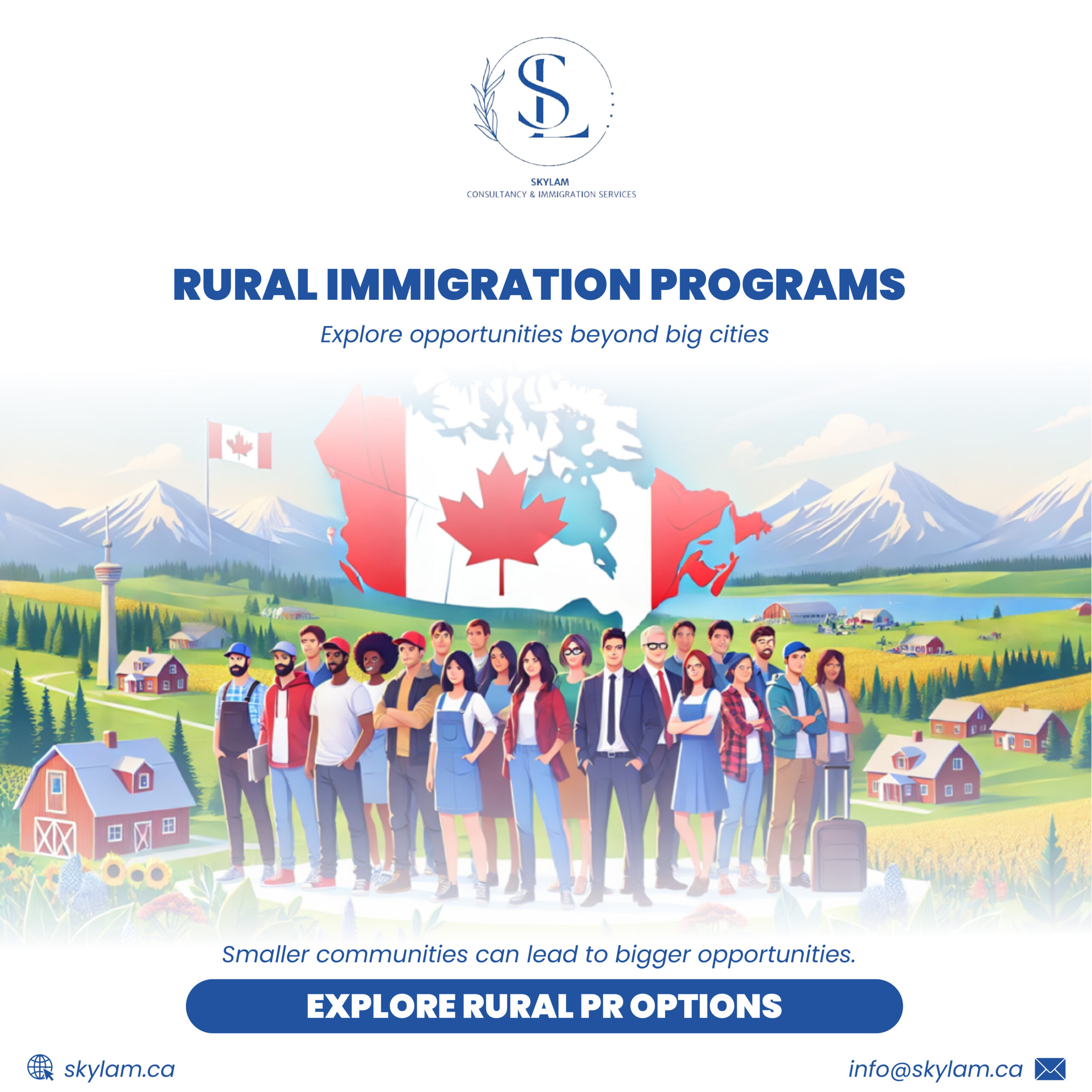
Canada is not only about big cities like Toronto and Vancouver. In fact, many smaller communities across the country are actively looking for immigrants to support their local economies and workforce needs.
To address labor shortages and encourage regional growth, Canada has introduced several Rural Immigration Programs that offer easier pathways to permanent residency (PR).
If you are planning to move to Canada in 2026, rural immigration programs could be your fast-track opportunity.
In this complete guide, we will explore the rural immigration programs in Canada, eligibility requirements, benefits, application process, and how you can take advantage of these opportunities.
What Are Rural Immigration Programs?
Rural immigration programs are designed to attract skilled workers to smaller communities outside major metropolitan areas.
These programs aim to:
- Fill labor shortages
- Support local businesses
- Promote economic development
- Encourage population growth
👉 Many rural communities offer easier immigration pathways compared to big cities.
Why Choose Rural Canada?
Many immigrants overlook rural areas, but they offer significant advantages.
Key Benefits:
- Lower cost of living
- Less competition
- Faster immigration pathways
- Better work-life balance
- Strong community support
👉 Rural Canada provides a peaceful and affordable lifestyle.
Main Rural Immigration Programs in Canada (2026)
1. Rural and Northern Immigration Pilot (RNIP)
One of the most popular rural programs is the:
👉 Rural and Northern Immigration Pilot
Key Features:
- Community-driven program
- Requires job offer
- Pathway to permanent residency
Participating Communities:
- Smaller cities and towns across provinces
- Each community has its own requirements
Eligibility Requirements:
- Job offer from participating employer
- Work experience
- Language proficiency
- Education requirements
- Proof of funds
👉 Community recommendation is required.
2. Rural Community Immigration Pilots (RCIP – Emerging Programs)
Canada is expanding rural immigration through new pilot programs in 2026.
Focus Areas:
- Address labor shortages
- Attract skilled workers
- Support regional economies
👉 These programs are expected to grow in the coming years.
3. Provincial Rural Streams
Many provinces have their own rural-focused immigration streams.
Examples:
Alberta Rural Renewal Stream
- Targets smaller communities
- Requires job offer
- Community endorsement
Ontario Regional Immigration Programs
- Focus on smaller towns
- Opportunities in agriculture and trades
British Columbia Rural Pathways
- Opportunities in hospitality and tourism
👉 Provincial programs often have lower requirements.
In-Demand Jobs in Rural Canada
Rural areas have strong demand in multiple sectors:
1. Healthcare
- Nurses
- Caregivers
- Medical assistants
2. Skilled Trades
- Electricians
- Plumbers
- Welders
3. Agriculture
- Farm workers
- Agricultural technicians
4. Hospitality
- Hotel staff
- Restaurant workers
5. Manufacturing
- Machine operators
- Factory workers
Salary Overview in Rural Areas
| Job Role | Average Salary (CAD/year) |
|---|---|
| Nurse | $60,000 – $90,000 |
| Electrician | $55,000 – $85,000 |
| Farm Worker | $35,000 – $60,000 |
| Hospitality Staff | $30,000 – $50,000 |
👉 Salaries may be slightly lower than big cities, but expenses are also lower.
Cost of Living in Rural Canada
One of the biggest advantages is affordability.
Monthly Expenses:
- Rent: $500 – $1,200
- Food: $250 – $500
- Transportation: $50 – $100
- Utilities: $80 – $200
👉 You can save more compared to urban areas.
Step-by-Step Application Process
Step 1: Choose a Community
Select a participating rural community
Step 2: Find a Job Offer
Apply to employers in that community
Step 3: Meet Eligibility Requirements
Check work experience, language, and education
Step 4: Apply for Community Recommendation
Community reviews your application
Step 5: Apply for Permanent Residency
Submit application to
**Immigration, Refugees and Citizenship Canada
Step 6: Move and Settle in the Community
Start your new life in Canada
Processing Time for Rural Programs
- Community Recommendation: 1–3 months
- PR Processing: 6–12 months
👉 Processing can be faster than other pathways.
Advantages of Rural Immigration Programs
- Lower CRS requirements
- Easier eligibility criteria
- Faster processing
- Strong community support
- Direct PR pathway
Challenges to Consider
1. Limited Job Opportunities
Fewer jobs compared to big cities
2. Smaller Communities
Less urban lifestyle
3. Weather Conditions
Cold climate in some regions
How to Overcome These Challenges
1. Be Flexible
Accept available job opportunities
2. Adapt to Lifestyle
Enjoy peaceful living
3. Build Community Connections
Engage with local people
How to Increase Your Chances of Selection
1. Secure Job Offer
Most important requirement
2. Improve Language Skills
Higher scores improve eligibility
3. Gain Relevant Experience
Match in-demand jobs
4. Apply Early
Limited spots available
Role of Skylam Immigration Services
Skylam helps you:
- Choose the right rural program
- Find job opportunities
- Prepare strong application
- Get community recommendation
- Apply for PR successfully
👉 Skylam simplifies your rural immigration journey.
Rural vs Urban Immigration
| Factor | Rural Areas | Urban Areas |
|---|---|---|
| Cost of Living | Low | High |
| Job Competition | Low | High |
| Lifestyle | शांत/peaceful | Fast-paced |
| Immigration Ease | Easier | Competitive |
Future of Rural Immigration in Canada
- Expansion of pilot programs
- Increased immigration targets
- Growing demand for workers
- More opportunities for newcomers
👉 Rural immigration will become more important in the future.
Real-Life Example
Scenario:
A skilled worker applies through RNIP.
Outcome:
- Gets job offer in a rural community
- Receives PR approval
- Settles with lower cost of living
👉 Successful and smooth immigration journey.
Final Thoughts
Rural immigration programs offer one of the best opportunities to move to Canada in 2026. With lower requirements, faster processing, and strong community support, these programs are ideal for many applicants.
To succeed:
- Choose the right community
- Secure a job offer
- Prepare strong documentation
- Apply strategically
👉 With guidance from Skylam, your rural immigration journey can be successful and stress-free.