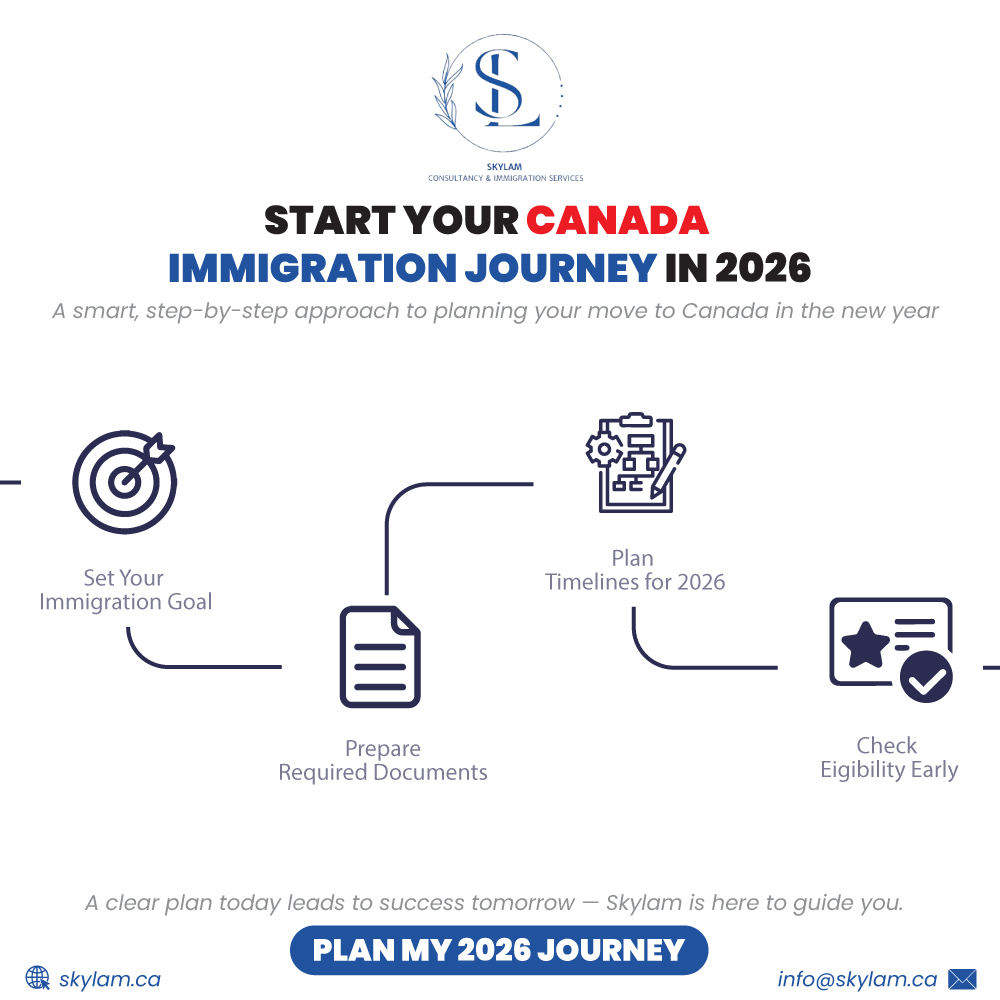
Every year, thousands of people dream of moving to Canada — but only a portion succeed. The difference between those who achieve their goal and those who struggle is not luck. It is planning.
Starting your Canada immigration journey in 2026 means entering a system that continues to prioritize skilled workers, international students, families, and long-term contributors. However, success depends on how early and how clearly you plan your pathway.
January is not just another month; it is the moment when motivation is high, immigration systems reset, and applicants have the time to prepare correctly.
Understanding Canada’s Immigration Landscape in 2026
Canada’s immigration system is structured but complex. There is no single path that fits everyone. Instead, Canada offers multiple programs, each designed for different profiles.
Major pathways include:
- Skilled worker immigration
- Provincial nomination programs
- Study-based immigration
- Family sponsorship
- Temporary residence transitioning to PR
The key to success is choosing the right program at the right time.
Step 1: Define Your Immigration Goal Clearly
Why Goals Matter
Many applicants begin their immigration journey without a clear destination. Some want permanent residence, others want education first, and some simply want to work temporarily.
Without clarity:
- Applications become inconsistent
- Time and money are wasted
- Refusals become more likely
Common Immigration Goals
You may want to:
- Become a permanent resident
- Study and later settle in Canada
- Gain international work experience
- Reunite with family
- Build a long-term career
Defining your goal early shapes every decision that follows.
Step 2: Understand Your Eligibility Before Applying
Why Eligibility Assessment Is Crucial
One of the biggest mistakes applicants make is applying without understanding:
- Whether they qualify
- Which programs suit them
- What weaknesses exist in their profile
An eligibility assessment helps you:
- Avoid unnecessary refusals
- Choose realistic pathways
- Plan improvements where needed
Key Factors Canada Considers
Most programs evaluate:
- Age
- Education
- Work experience
- Language ability
- Financial capacity
- Adaptability
Each factor can significantly influence outcomes.
Step 3: Choose the Right Immigration Pathway
Skilled Worker Pathways
Skilled immigration is ideal for applicants with:
- Recognized education
- Relevant work experience
- Strong English or French skills
These pathways often operate on ranking systems and require careful preparation.
Study-Based Pathways
Studying in Canada allows applicants to:
- Gain Canadian credentials
- Access post-study work permits
- Improve future PR eligibility
For many, education is a strategic investment, not just academic pursuit.
Family-Based Options
Family sponsorship focuses on:
- Relationship authenticity
- Sponsor eligibility
- Long-term settlement support
This pathway prioritizes reunification over employability.
Step 4: Build a Realistic Immigration Timeline
Why Timing Matters
Immigration is not instant. Depending on the pathway, timelines can include:
- Language testing
- Credential evaluations
- Document collection
- Application processing
Planning early avoids rushed decisions and missed deadlines.
Planning for Flexibility
A good timeline includes:
- Buffer periods
- Backup options
- Improvement windows
This flexibility is especially important in a system that evolves regularly.
Step 5: Prepare Strong Documentation
Documentation Is Not Just Paperwork
Immigration decisions rely heavily on documents. Poorly prepared documentation can lead to:
- Delays
- Requests for additional information
- Refusals
Strong documentation tells a clear and consistent story about the applicant.
Common Documents Include
- Identity and travel documents
- Education records
- Employment proof
- Financial evidence
- Language test results
Each document must align with the chosen pathway.
Step 6: Avoid Common Planning Mistakes
❌ Starting applications without guidance
❌ Choosing programs based on hearsay
❌ Underestimating language requirements
❌ Ignoring long-term settlement planning
❌ Waiting too long to begin
Avoiding these mistakes significantly improves success.
Why Professional Guidance Makes a Difference
Immigration regulations change frequently. What worked for one applicant may not work for another.
Professional consultants:
- Interpret policies correctly
- Align applications with current priorities
- Anticipate potential issues
- Provide realistic expectations
This guidance often saves time, money, and emotional stress.
How Skylam Helps You Plan Smartly
Skylam Immigration Services supports clients by:
- Conducting personalized assessments
- Explaining options clearly
- Creating step-by-step plans
- Supporting applications from start to finish
Our approach focuses on clarity, transparency, and long-term success.
Turning Intention into Action
Dreams alone don’t lead to immigration success. Action, guided by planning, does.
Starting your immigration journey in 2026 means:
- Taking control of your future
- Making informed decisions
- Building a pathway that fits your life
Final Thoughts
Canada continues to welcome immigrants who plan wisely and prepare honestly. January 2026 is the ideal time to move from intention to action.