
Claiming Asylum in Canada: Important IRCC Application Changes Starting November 3, 2026
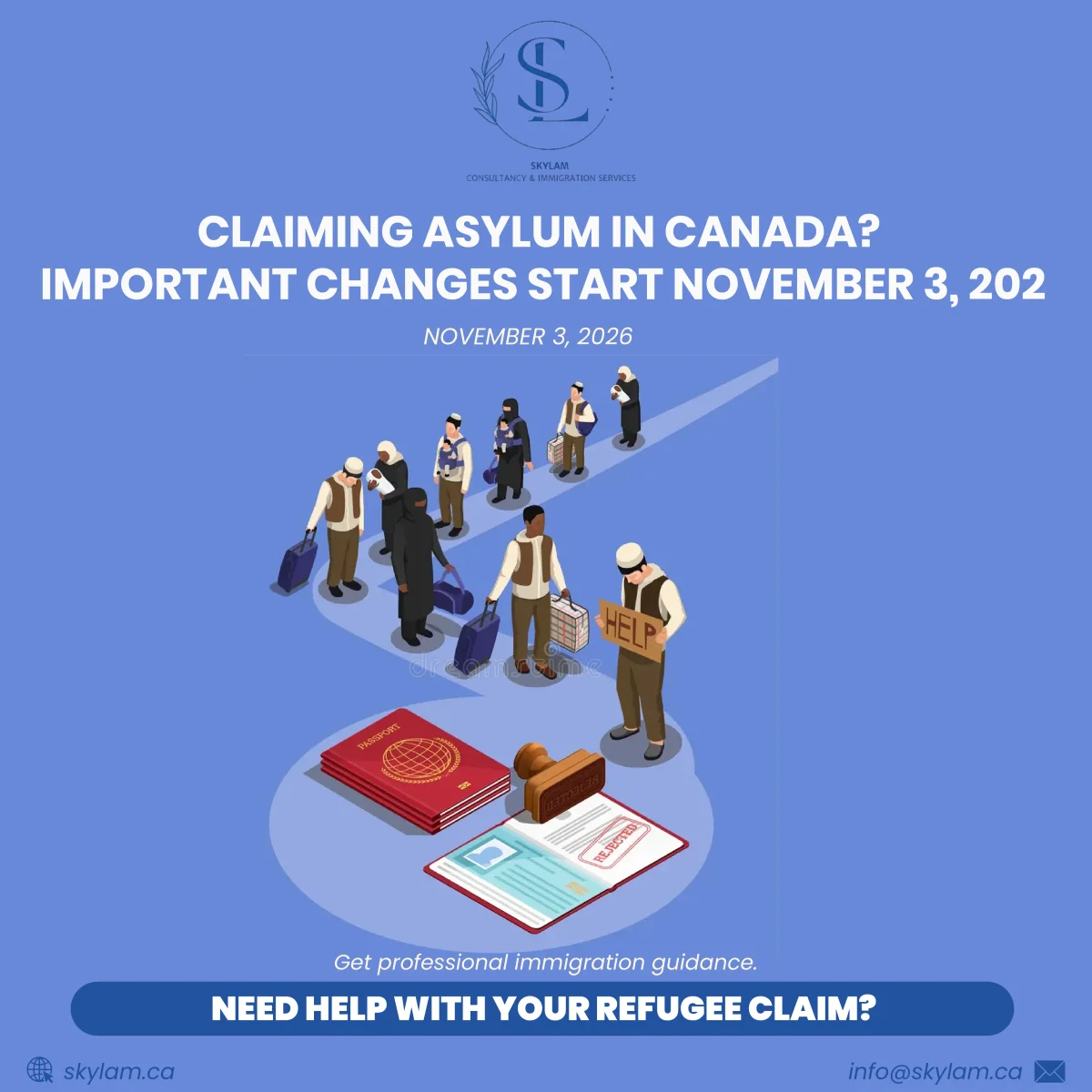
Canada provides refugee protection, legally known as asylum, to people who are in Canada and can demonstrate that they meet the legal definition of a Convention refugee or a person in need of protection.
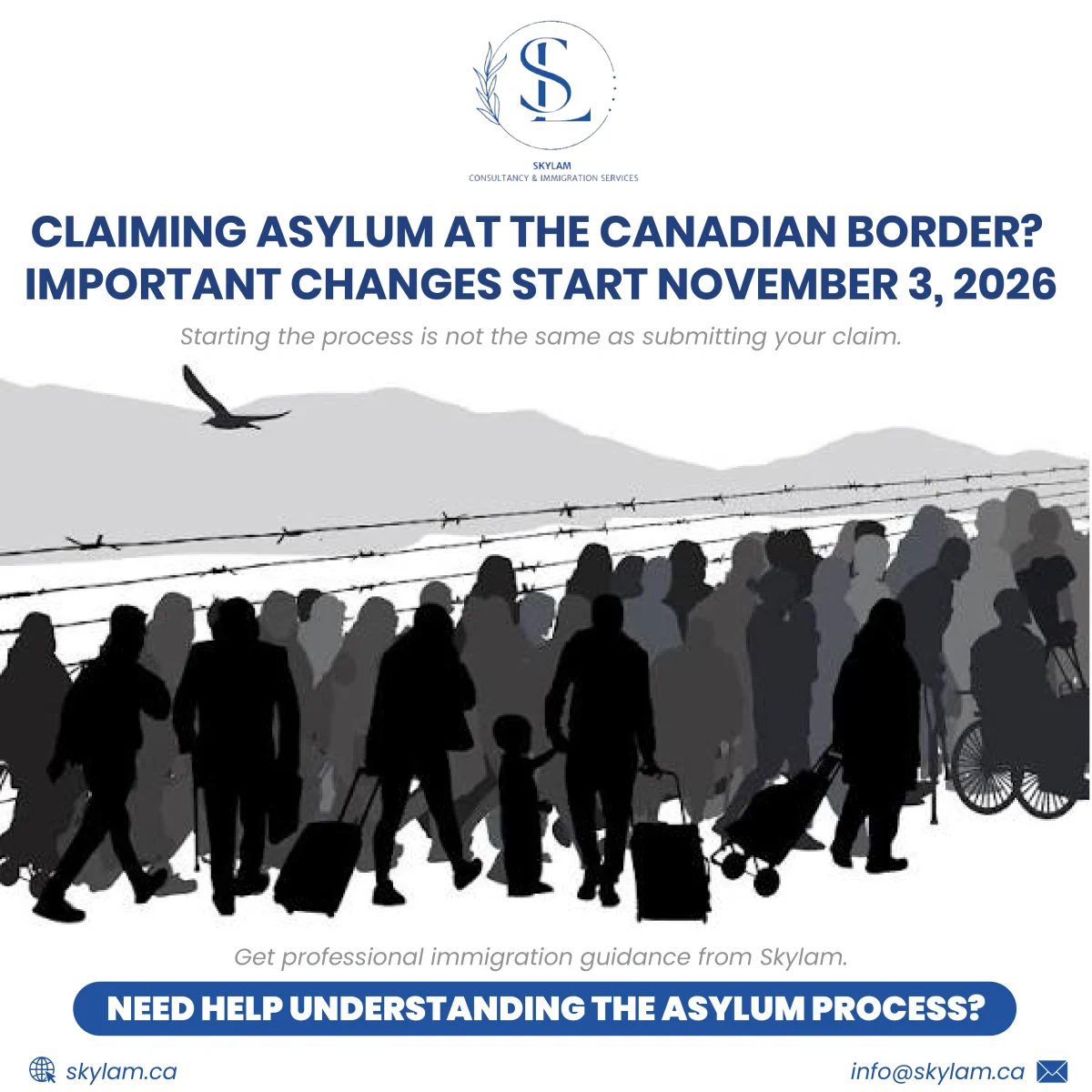
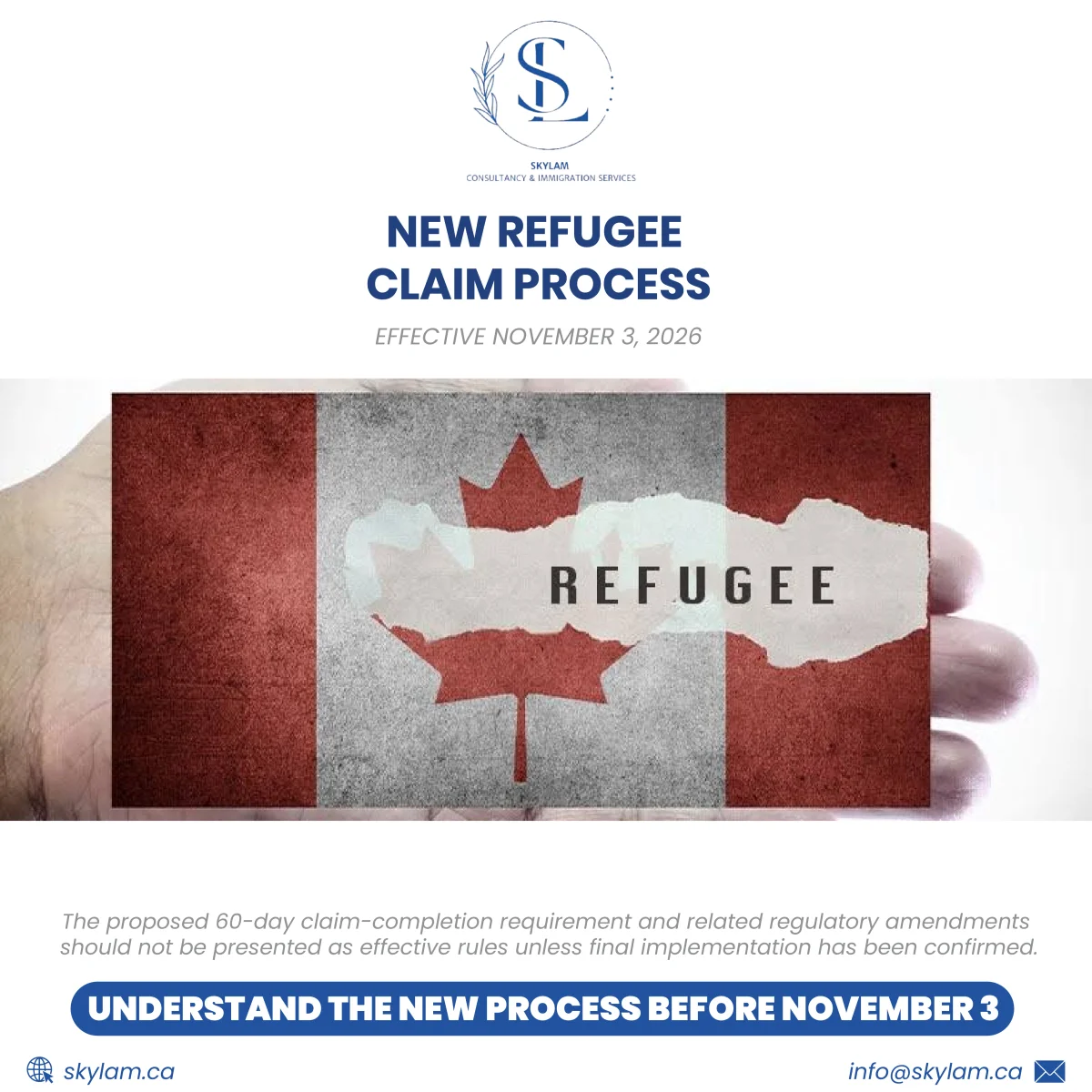
For people considering an asylum claim from within Canada, understanding the application process is extremely important. The Government of Canada is continuing to modernize the asylum system, and an important change to how claims are submitted through the IRCC Portal will take effect on November 3, 2026.
The transition is particularly important for people who have already started an online asylum claim but have not yet submitted it.
If you are preparing an asylum claim, this update explains what happens depending on when you submit your application and what unfinished claims need to do after the new process begins.
What Is Asylum in Canada?
Canada's asylum system provides refugee protection to certain people who are already inside Canada and who can demonstrate that they meet the applicable legal definition of a refugee or person in need of protection.
A person may seek protection if they face circumstances that meet Canada's legal requirements for refugee protection.
However, not everyone who wants to remain in Canada qualifies for asylum.
Eligibility depends on the circumstances of the individual and whether the person meets the applicable legal definition and other requirements under Canada's immigration and refugee protection system.
People who are not refugees but want to remain in Canada may have other immigration options available to them. These can include different temporary or permanent immigration pathways, depending on their circumstances and eligibility.
Therefore, asylum should not be viewed simply as another way to remain in Canada. It is a specific form of protection for people who meet the legal requirements.
Major Asylum Application Change Starting November 3, 2026
The Government of Canada is changing how asylum claims are submitted through the IRCC Portal.
The new process will begin on:
November 3, 2026
This means that people who have started an online asylum claim but have not submitted it before the transition deadline will need to take additional steps.
The key deadline is:
November 2, 2026 at 11:59 PM Eastern Time.
The impact depends on whether your claim has already been submitted.
There are two important situations to understand.
If You Submit Your Asylum Claim Before November 3
If you submit your asylum claim through the IRCC Portal by:
11:59 PM ET on November 2, 2026
you will not need to provide new information solely because of the transition to the updated application process.
However, this does not mean IRCC cannot ask you for additional information later.
If IRCC requires additional information or documents as part of processing your claim, you may still be contacted and asked to provide them.
The important point is that claims submitted before the transition deadline will not automatically require the new information simply because the system is changing.
What Happens If Your Claim Is Started But Not Submitted?
This is one of the most important parts of the update.
If you start an asylum claim in the IRCC Portal but do not submit it by 11:59 PM ET on November 2, 2026, your personal information will be saved.
However, you will need to complete additional steps under the updated system.
You will need to:
-
Review your existing answers
-
Answer the new questions
-
Provide the required information under the updated process
-
Complete the claim before submitting it
In other words, starting an application before the deadline is not the same as submitting it.
Simply having an unfinished claim in your IRCC Portal account will not mean that the claim has been submitted under the previous process.
Why the November 2 Deadline Matters
The difference between starting and submitting an asylum claim is particularly important during this transition.
For example, imagine someone begins an asylum claim on October 30, 2026.
They enter some personal information and save the application, but they do not submit it.
If they leave the application unfinished until November 3, the new process will apply when they continue.
Their previously entered personal information will remain saved, but they will need to review the information and answer the new questions before submitting the claim.
This is why applicants should pay close attention to the transition deadline.
What If You Already Submitted Your Claim?
If you submitted your asylum claim through the IRCC Portal by 11:59 PM ET on November 2, 2026, you do not need to provide new information solely because of the change in the application process.
However, applicants should continue to monitor communications from IRCC.
If IRCC asks for additional information or documents, the applicant should respond according to the instructions provided.
Submitting a claim does not mean that no further information will ever be requested.
What If You Have Only Started the Application?
If you have only started the application and have not submitted it, your situation is different.
The system will retain the personal information you have already entered.
But after the new process begins, you will need to review your existing information and answer the new questions before you can submit the claim.
This means applicants should avoid assuming that an unfinished application will automatically be treated as a completed claim.
Started ≠ Submitted
This is one of the simplest ways to understand the transition.
Started: Your information has been entered or saved, but the claim has not been submitted.
Submitted: The asylum claim has been formally submitted through the IRCC Portal.
The November 3 changes particularly affect claims that remain unfinished at the time of the transition.
Who Can Claim Asylum From Within Canada?
Canada's asylum system is available to people within Canada who may meet the legal requirements for refugee protection.
Applicants generally need to demonstrate that they meet the applicable definition of a Convention refugee or a person in need of protection.
The assessment is based on the person's individual circumstances and the applicable legal criteria.
Because refugee protection involves important legal and factual considerations, applicants should provide accurate and complete information.
A person should not make an asylum claim simply because they want to stay in Canada.
If someone does not qualify as a refugee, they may need to explore other immigration options that could apply to their circumstances.
Understanding the Convention Refugee Definition
The Convention refugee definition is a legal standard used in Canada's refugee protection system.
Broadly, it concerns people who have a well-founded fear of persecution based on specified grounds.
However, determining whether someone meets the definition requires an assessment of the person's individual circumstances and evidence.
Applicants should therefore avoid relying on general assumptions about whether they qualify.
Each case can be different.
Person in Need of Protection
Canadian refugee protection also covers certain people who may meet the definition of a person in need of protection.
This category has its own legal requirements.
Again, eligibility is determined based on the facts and circumstances of the individual case.
The asylum process is therefore not simply about demonstrating that returning to a country would be difficult. Applicants need to meet the applicable legal requirements for refugee protection.
Accuracy Is Important in an Asylum Claim
Providing accurate information is one of the most important parts of any immigration or refugee application.
Applicants should carefully review the information they provide through the IRCC Portal.
This is particularly important during the November 3 transition because applicants with unfinished claims will need to review their existing responses and answer new questions.
Applicants should make sure that information is:
-
Accurate
-
Complete
-
Consistent
-
Based on their actual circumstances
-
Supported by appropriate evidence where required
If information changes, applicants should follow the applicable IRCC instructions for updating their application.
Do Not Confuse Asylum With Other Immigration Options
People sometimes use the asylum system because they want to remain in Canada, but refugee protection is a specific legal pathway.
If a person does not meet the definition of a Convention refugee or person in need of protection, they may need to consider other immigration options.
Depending on the person's circumstances, different Canadian immigration programs may be available.
For this reason, anyone considering an asylum claim should understand the purpose of refugee protection and determine whether it is appropriate for their situation.
What Applicants Should Do Before November 3, 2026
If you are currently preparing an asylum claim through the IRCC Portal, the November 3 transition should be taken seriously.
Here are some practical steps to consider.
1. Check Your Application Status
Determine whether your claim has actually been submitted or whether it remains unfinished.
Do not assume that saving information means the claim has been submitted.
2. Know the Deadline
The transition deadline is:
November 2, 2026 at 11:59 PM Eastern Time.
Applicants should understand the time zone because the deadline is based on Eastern Time.
3. Review Your Information Carefully
Before submitting an asylum claim, carefully review the information entered into the portal.
Look for:
-
Incorrect personal information
-
Missing answers
-
Inconsistent dates
-
Incorrect details
-
Typographical errors
-
Information that does not accurately reflect your circumstances
4. Be Prepared for New Questions
If your claim remains unfinished after the transition, you will need to answer the new questions introduced under the updated process.
Your previously entered personal information will be saved, but you will still need to review your responses.
5. Follow IRCC Instructions
Applicants should rely on official IRCC instructions when completing their claim.
If IRCC requests additional information, applicants should follow the instructions and deadlines provided.
What About Claims Initiated Through CBSA?
The asylum process can also involve claims initiated through the Canada Border Services Agency (CBSA).
People whose claims were initiated through CBSA may have additional steps to complete depending on their circumstances and whether their claim has been linked to the IRCC Portal.
Applicants should make sure their claim is properly linked and that they provide the information required under the applicable process.
The November 3 transition is therefore relevant not only to people who are starting an entirely new online claim, but also to people whose claims are already moving through the asylum system.
Why Is Canada Modernizing the Asylum Process?
The changes are part of Canada's broader efforts to modernize its asylum system.
Modernizing the application process can help create a more structured way for applicants to provide information and for immigration authorities to process claims.
For applicants, however, system changes can create additional responsibilities during a transition period.
That is why understanding the difference between an unfinished claim and a submitted claim is particularly important.
Common Questions About the November 3 Asylum Changes
Do I need to submit my claim before November 3?
If your claim is ready and you want to avoid having to answer the new transition-related questions, the relevant deadline is 11:59 PM ET on November 2, 2026.
However, applicants should not rush to submit inaccurate or incomplete information simply because of a deadline. Accuracy and completeness remain important.
What happens if I start my claim before November 3 but submit it afterward?
Your personal information will be saved, but you will need to review your existing answers and answer the new questions before submitting the claim under the updated process.
Will my information be deleted if I do not submit before November 3?
According to the IRCC update you provided, your personal information will be saved.
However, you will need to review the information and complete the new questions before submitting the claim.
If I submit before November 3, will IRCC never ask for more information?
No.
IRCC may still request additional information when necessary.
The transition simply means that claims submitted by the deadline do not need new information solely because of the new process.
Can anyone in Canada claim asylum?
Not everyone in Canada will qualify for refugee protection.
Applicants must meet the applicable legal requirements for a Convention refugee or person in need of protection, and certain circumstances can make a claim ineligible.
What if I am not a refugee but want to stay in Canada?
If you do not qualify for refugee protection, you may need to explore other Canadian immigration pathways.
The appropriate option depends on your individual circumstances and eligibility.
Final Takeaway
Canada's asylum application process is changing on November 3, 2026.
For people using the IRCC Portal, the key transition deadline is:
November 2, 2026 at 11:59 PM ET
If an asylum claim is submitted by that deadline, the applicant does not need to provide new information solely because of the transition, unless IRCC requests it.
If a claim has been started but remains unfinished, the applicant's personal information will be saved. However, the applicant will need to review the existing answers and respond to the new questions before submitting the claim under the updated system.
The most important lesson is simple:
Starting an asylum claim is not the same as submitting it.
Anyone considering refugee protection should understand the eligibility requirements, provide truthful and accurate information, and carefully follow IRCC instructions.
If you are unsure about your options or need help understanding the asylum process, professional immigration guidance can help you understand the applicable requirements and prepare your information carefully.
Skylam Immigration Services — helping you navigate your Canadian immigration journey with clarity and preparation.