
Cost of Living in Canada for New Immigrants: Complete Guide for 2026
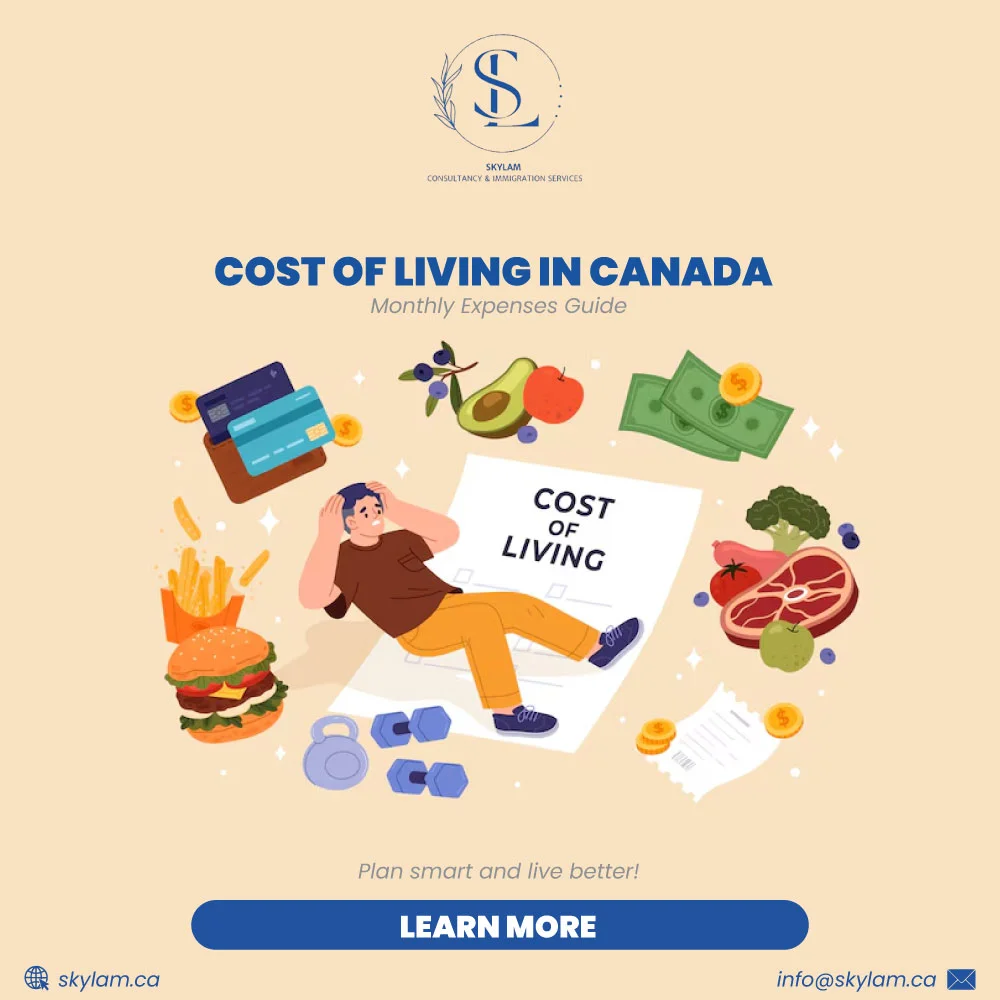
Moving to Canada is an exciting opportunity, but understanding the cost of living is one of the most important steps before planning your relocation. Many new immigrants underestimate expenses, which can lead to financial stress during their first few months.
In this guide, we provide a complete breakdown of the cost of living in Canada for new immigrants in 2026, including housing, food, transportation, healthcare, education, and hidden expenses.
All immigration and settlement information is aligned with policies and settlement systems supported by
Immigration, Refugees and Citizenship Canada (IRCC).
Why Understanding Cost of Living Matters
Before moving to Canada, you must understand:
- Monthly expenses
- Minimum income requirements
- City-wise cost differences
- Hidden costs
👉 Proper planning helps avoid financial difficulties after arrival.
Average Cost of Living in Canada (2026)
The cost of living depends on city, lifestyle, and family size.
Estimated Monthly Costs (Single Person):
- Low-cost cities: $1,800 – $2,500 CAD
- Medium cities: $2,500 – $3,500 CAD
- Major cities: $3,500 – $5,000+ CAD
Estimated Monthly Costs (Family of 3–4):
- $3,500 – $7,000+ CAD
👉 Big cities are significantly more expensive.
1. Housing Costs in Canada
Housing is the biggest expense for immigrants.
Monthly Rent Estimates:
1-Bedroom Apartment:
- Toronto: $2,200 – $2,800
- Vancouver: $2,300 – $3,000
- Calgary: $1,400 – $1,900
- Winnipeg: $1,000 – $1,500
Shared Accommodation:
- $500 – $1,200 per month
👉 Shared housing is common for newcomers.
Housing Tips:
- Start with shared housing
- Avoid luxury apartments initially
- Choose suburbs for affordability
2. Food and Grocery Costs
Food costs depend on lifestyle.
Monthly Grocery Costs:
- Single person: $300 – $600
- Family: $800 – $1,500
Common Food Prices:
- Milk: $3 – $5
- Bread: $2 – $4
- Chicken: $10 – $15/kg
- Rice: $10 – $20 (large bag)
👉 Cooking at home saves money.
3. Transportation Costs
Public transportation is widely used in cities.
Monthly Costs:
- Public transport pass: $100 – $160
- Car insurance: $150 – $300/month
- Fuel: $1.50 – $2.00 per liter
Transport Options:
- Bus
- Subway
- Train
- Car (optional)
👉 Public transport is cheaper for newcomers.
4. Healthcare Costs
Canada has a public healthcare system.
Key Points:
- Basic healthcare is publicly funded
- Some services may have waiting periods
- Prescription drugs may cost extra
Monthly Costs:
- Private insurance (new immigrants): $50 – $150
👉 Healthcare becomes free after eligibility period.
5. Education Costs
Education depends on visa type.
Costs:
Public Schools:
- Free for PR holders
Colleges/Universities:
- $15,000 – $30,000 per year (international students)
👉 Education is expensive for international students.
6. Utilities and Internet
Utilities include electricity, heating, water, and internet.
Monthly Costs:
- Electricity: $50 – $120
- Internet: $60 – $100
- Heating (winter): $100 – $200
👉 Winter increases utility costs significantly.
7. Clothing and Personal Expenses
Canada has strong seasonal changes.
Costs:
- Winter jacket: $100 – $300
- Shoes: $50 – $150
- Personal care: $50 – $100/month
👉 Winter clothing is essential and costly.
8. Hidden Costs for New Immigrants
Many newcomers forget additional expenses.
Examples:
- Security deposit (rent)
- Furniture
- Mobile phone plans
- Immigration document fees
- Transportation setup
👉 Always keep emergency savings.
City Comparison of Living Costs
| City | Cost Level | Monthly Expense |
|---|---|---|
| Toronto | High | $3,500 – $5,000 |
| Vancouver | Very High | $3,800 – $5,500 |
| Calgary | Medium | $2,500 – $3,500 |
| Winnipeg | Low | $1,800 – $2,800 |
| Halifax | Medium | $2,200 – $3,200 |
👉 Smaller cities are more affordable.
Minimum Budget for New Immigrants
Single Person:
- Minimum: $2,000/month
Family:
- Minimum: $4,000/month
👉 Savings for first 3 months is important.
Tips to Reduce Living Costs
1. Choose Affordable Cities
Avoid expensive metro areas initially
2. Share Accommodation
Reduce rent costs
3. Cook at Home
Save on food expenses
4. Use Public Transport
Avoid car expenses
5. Buy Used Items
Furniture and electronics
👉 Smart planning reduces financial pressure.
Role of Skylam Immigration Services
Skylam helps immigrants by:
- Planning financial preparation
- Estimating settlement costs
- Guiding city selection
- Providing job market advice
- Supporting smooth transition
👉 Proper planning improves settlement success.
Real-Life Example
Scenario:
New immigrant moves to Toronto without planning.
Outcome:
- High rent burden
- Financial stress
- Difficulty saving money
Improved Scenario:
With planning:
- Chooses Calgary
- Shares apartment
- Manages budget efficiently
👉 Smart decisions reduce stress.
Final Thoughts
Understanding the cost of living in Canada in 2026 is essential for a successful immigration journey. While Canada offers great opportunities, proper financial planning ensures a smooth transition.
To succeed:
- Plan budget in advance
- Choose affordable city
- Manage expenses wisely
- Prepare emergency savings
👉 With Skylam’s expert guidance, you can plan your settlement journey more confidently and avoid financial mistakes.
Start Your Settlement Planning Today
- Estimate monthly budget
- Choose right city
- Plan accommodation
- Prepare savings
- Get expert help from Skylam