
What Is Canadian Permanent Residence? A Beginner’s Guide
For many people planning to move to Canada, one of the most important immigration goals is becoming a permanent resident, commonly called a Canadian PR.
Permanent residence gives an eligible foreign national the right to live, work and study in Canada on a long-term basis, subject to maintaining permanent resident status and meeting Canada's legal requirements. However, permanent residence is not the same as Canadian citizenship.
Understanding what Canadian permanent residence actually means is important before choosing an immigration pathway. Whether someone is considering Express Entry, a Provincial Nominee Program, family sponsorship, a regional immigration program or another permanent residence pathway, knowing what happens after approval can help create a more realistic long-term plan.
In this beginner's guide, we explain what Canadian permanent residence means, what permanent residents can do, what they cannot do, how the PR card works, the residency obligation, travelling outside Canada, the difference between PR status and citizenship, and some important responsibilities that come with being a permanent resident.
What Is Canadian Permanent Residence?
A permanent resident (PR) is a person who has been granted permanent resident status in Canada but is not a Canadian citizen.
A person may become a permanent resident through an approved immigration program or other applicable pathway.
For example, people may obtain Canadian permanent residence through economic immigration programs, provincial nomination, family sponsorship, regional programs and other immigration categories.
It is important to understand that simply being physically present in Canada does not make someone a permanent resident.
For example, someone who is in Canada temporarily as an international student or foreign worker is generally not a permanent resident simply because they are living in Canada. They hold temporary status unless and until they obtain permanent resident status through an applicable process.
Once a person becomes a permanent resident, they receive rights and responsibilities that are different from those of a temporary resident.
What Does Permanent Residence Mean?
Canadian permanent residence provides a person with a long-term immigration status in Canada.
According to the Government of Canada, permanent residents can:
-
Live in Canada
-
Work in Canada
-
Study in Canada
-
Access most social benefits available to Canadian citizens, subject to eligibility
-
Apply for Canadian citizenship when eligible
-
Receive protection under Canadian law and the Canadian Charter of Rights and Freedoms
Permanent residents must also obey Canadian laws and pay applicable taxes.
The word "permanent" does not mean that a person can live outside Canada indefinitely without affecting their status.
Permanent residents must meet Canada's residency obligation to maintain their status.
This is one of the most important things a new immigrant should understand.
Canadian PR Is Not the Same as Citizenship
One of the most common misunderstandings about Canadian immigration is the belief that permanent residence and citizenship are the same thing.
They are not.
A permanent resident has permanent resident status, while a Canadian citizen has Canadian citizenship.
Permanent residents have many important rights in Canada, but they do not have all the rights of Canadian citizens.
For example, permanent residents generally cannot:
-
Vote in Canadian federal, provincial or territorial elections
-
Run for political office
-
Hold certain jobs that require a high level of security clearance
Canadian citizens have additional rights and responsibilities that permanent residents do not have.
Permanent residence can, however, be an important step toward citizenship for people who later meet the citizenship requirements.
What Can a Canadian Permanent Resident Do?
Permanent residence provides significant freedom to build a life in Canada.
Live in Canada
Permanent residents can live in Canada and establish their home in the province or territory of their choice, subject to the conditions of their immigration program and any applicable obligations.
A PR can move within Canada after becoming a permanent resident.
This is different from some temporary immigration situations where a person's authorization may be connected to a specific employer, school or other condition.
Work in Canada
Permanent residents can work in Canada.
They can pursue employment opportunities and build Canadian work experience without needing a temporary work permit simply to authorize their work as a PR.
This can be an important advantage for people who want to establish a long-term career in Canada.
Study in Canada
Permanent residents can also study in Canada.
Depending on the program and institution, they may have access to educational opportunities that differ from those available to international students.
The specific costs, eligibility requirements and benefits can vary by province, territory, institution and program.
Access Eligible Social Benefits
Permanent residents may be eligible for many social benefits available to Canadian citizens, depending on the relevant federal, provincial or territorial eligibility requirements.
Healthcare, for example, is administered through provincial and territorial health systems, so newcomers should check the rules that apply in the province or territory where they live.
The Government of Canada notes that permanent residents receive most social benefits that Canadian citizens receive, including access to health care coverage subject to provincial rules.
What Responsibilities Do Permanent Residents Have?
Permanent residence comes with responsibilities as well as rights.
A permanent resident must respect Canadian laws at the federal, provincial and municipal levels.
Permanent residents also have tax responsibilities when applicable.
Another major responsibility is maintaining the residency obligation.
This is particularly important for PRs who plan to spend significant periods outside Canada.
What Is the Permanent Resident Residency Obligation?
To maintain permanent resident status, a person generally needs to have been physically present in Canada for at least 730 days during the previous five years.
The 730 days do not have to be continuous.
This is commonly described as the two-out-of-five-year rule.
For example, a permanent resident could potentially spend some time outside Canada and still maintain their status if they meet the applicable residency requirements.
However, the calculation can become more complicated in certain situations because some time spent outside Canada may count toward the residency obligation under specific circumstances.
Therefore, PRs who spend significant time outside Canada should carefully review the applicable rules rather than assuming that every day outside Canada counts against them in the same way.
Does the 730-Day Rule Have to Be Continuous?
No.
The required 730 days do not need to be consecutive.
A permanent resident can accumulate the required days over the applicable five-year period.
For example, someone might spend several months outside Canada and later return to Canada.
The important issue is whether the person meets the applicable residency obligation when their status is assessed.
IRCC states that the 730 days do not need to be continuous and that certain time outside Canada may count toward the requirement.
Because travel histories can become complicated, PRs should keep accurate records of their trips.
Why Should Permanent Residents Track Their Travel?
Keeping track of travel outside Canada is a good habit for permanent residents.
A person may eventually need to demonstrate their physical presence in Canada when:
-
Renewing a PR card
-
Applying for a permanent resident travel document
-
Addressing a residency-related issue
-
Applying for Canadian citizenship
The Government of Canada recommends keeping a travel journal to help record time spent outside Canada.
Useful records can include travel dates and supporting documents that help establish when a person entered or left Canada.
Keeping records from the beginning can make future immigration or citizenship processes easier to manage.
What Is a PR Card?
A Permanent Resident Card, commonly called a PR card, is an official document that shows that a person has permanent resident status in Canada.
It is particularly important for international travel.
Permanent residents generally need a valid PR card when returning to Canada by commercial transportation such as a plane, train, bus or boat.
The PR card should not be confused with PR status itself.
A PR card is proof of status.
The expiry of the physical card does not automatically mean that the person's permanent resident status has expired.
The Government of Canada specifically states that a person does not lose PR status simply because their PR card expires.
However, an expired PR card can create travel difficulties, particularly when returning to Canada from abroad.
What Happens When a PR Card Expires?
A PR card usually has a validity period, and permanent residents should monitor its expiry date.
If a PR card expires while the person remains a permanent resident, the person does not automatically lose permanent resident status.
Instead, the person may need to apply for a new PR card if they are eligible.
The Government of Canada currently states that PR cards are usually valid for five years, although in some situations a card may be valid for one year.
PRs should therefore distinguish between:
PR status and PR card validity.
They are related, but they are not the same thing.
What If a Permanent Resident Is Outside Canada Without a Valid PR Card?
This is an important situation for people who travel frequently.
If a permanent resident is outside Canada and does not have a valid PR card, they may need a Permanent Resident Travel Document (PRTD) to return to Canada by commercial transportation.
The Government of Canada explains that permanent residents outside Canada without a valid PR card may need to apply for a PRTD to travel back to Canada.
This is why new permanent residents should think carefully about their travel documents before leaving Canada.
Can Permanent Residents Travel Outside Canada?
Yes.
Permanent residents can travel outside Canada.
However, travelling internationally does not remove the responsibility to meet the residency obligation.
A PR should also make sure they have the appropriate documents to return to Canada.
The Government of Canada recommends having a valid PR card before leaving Canada because the card is used as proof of permanent resident status when returning by commercial transportation.
Travellers should also check the entry requirements of the country they plan to visit.
Having Canadian permanent residence does not automatically give a person visa-free access to every other country.
Can a PR Live Outside Canada?
A permanent resident may spend time outside Canada, but there are limits to how much time they can spend abroad while maintaining the residency obligation.
The general rule is at least 730 days of physical presence in Canada during the relevant five-year period.
Certain situations may allow some time outside Canada to count toward the residency obligation.
For example, specific circumstances involving accompanying certain Canadian citizens or working outside Canada for a Canadian business or the Canadian public service may have special rules.
Because these situations can be fact-specific, permanent residents should review the applicable IRCC requirements before making long-term plans outside Canada.
Can a Permanent Resident Move to Another Province?
In general, permanent residents have the right to live, work and study anywhere in Canada.
However, applicants should be careful when this question relates to the immigration program through which they obtained PR status.
For example, someone who receives a provincial nomination may have made commitments concerning their intention to live in the nominating province.
Permanent residence gives a person significant mobility rights, but the circumstances surrounding the immigration application and provincial nomination should still be understood.
Applicants should always provide truthful information about their intentions when applying.
Can Permanent Residents Apply for Canadian Citizenship?
Yes.
Permanent residents may eventually apply for Canadian citizenship if they meet the applicable citizenship requirements.
One important requirement is physical presence in Canada.
For adults, the current citizenship rules generally require at least 1,095 days of physical presence in Canada during the five-year eligibility period, including at least 730 days as a permanent resident. Other requirements also apply.
Citizenship is therefore a separate application.
Becoming a permanent resident does not automatically make someone a Canadian citizen.
What Is the Difference Between PR and Citizenship?
Understanding the difference is important for anyone planning a long-term future in Canada.
| Permanent Resident | Canadian Citizen |
|---|---|
| Can live in Canada | Can live in Canada |
| Can work in Canada | Can work in Canada |
| Can study in Canada | Can study in Canada |
| Must maintain PR residency requirements | Does not have the same PR residency obligation |
| Generally cannot vote | Can vote if otherwise eligible |
| Generally cannot run for political office | Can run for political office if otherwise eligible |
| Can apply for citizenship | Already a citizen |
| Uses a PR card as proof of PR status | Uses Canadian citizenship documents/passport |
This comparison is simplified. Specific rights and obligations can depend on the person's circumstances and Canadian law.
The key point is that permanent residence is not citizenship.
How Can Someone Become a Permanent Resident of Canada?
There is no single immigration program for everyone.
Different people may qualify through different pathways.
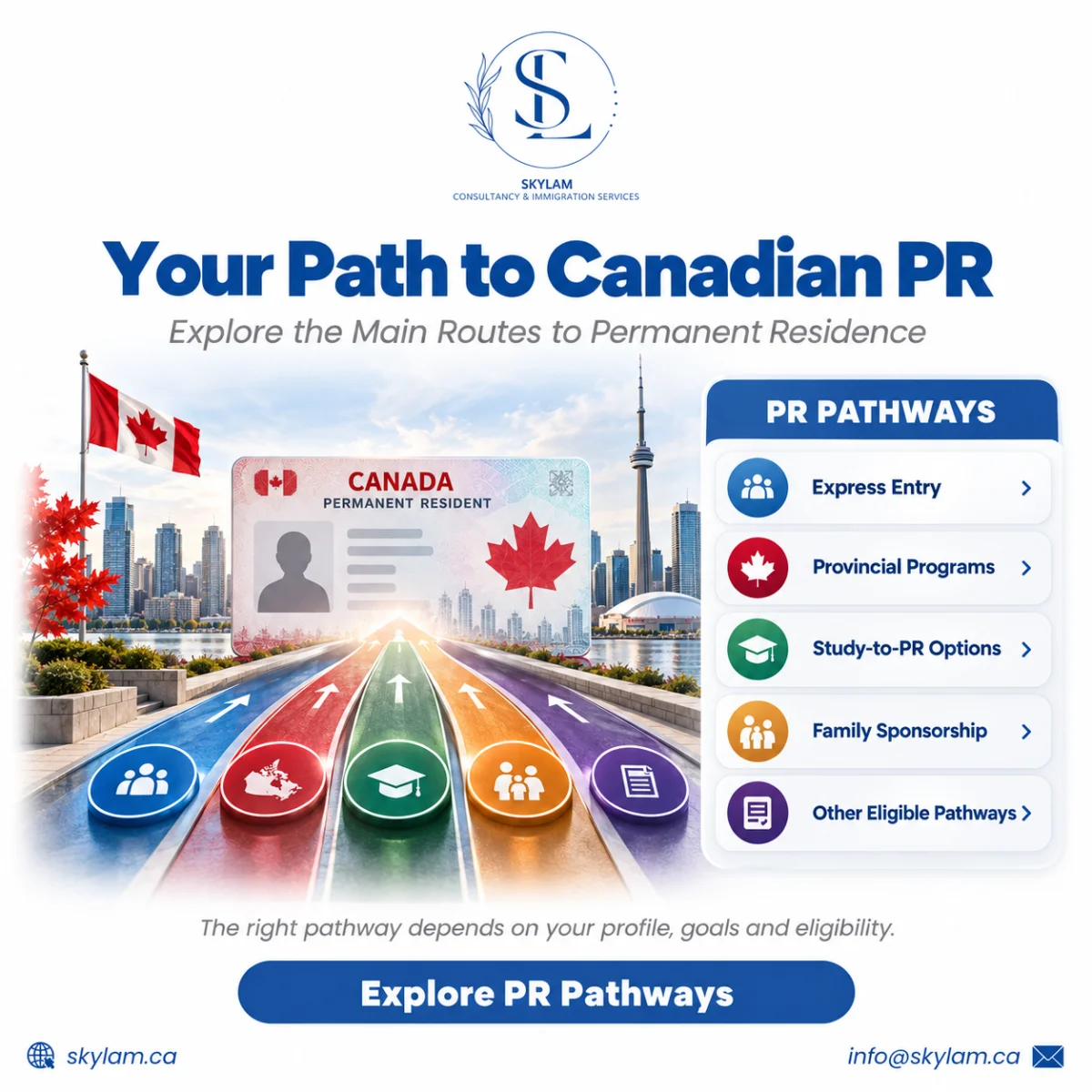
Express Entry
Express Entry manages three federal economic programs:
-
Canadian Experience Class
-
Federal Skilled Worker Program
-
Federal Skilled Trades Program
Eligible candidates can create an Express Entry profile and enter the pool.
Candidates are ranked using the Comprehensive Ranking System, and invitations are issued through different types of rounds.
Provincial Nominee Programs
Canadian provinces and territories operate immigration programs designed around their individual economic and labour-market priorities.
A provincial nomination may provide a pathway to permanent residence for eligible applicants.
Family Sponsorship
Eligible Canadian citizens and permanent residents may be able to sponsor certain family members under Canada's family sponsorship programs.
The requirements depend on the relationship and sponsorship category.
Regional Immigration Programs
Canada also has programs designed to support immigration to particular communities and regions.
These programs can have specific employer, occupation, work experience, language and settlement requirements.
Other Immigration Pathways
Canada has additional immigration programs and categories for different groups of applicants.
The appropriate pathway depends on the applicant's individual circumstances.
Why Choosing the Right PR Pathway Matters
One of the biggest mistakes applicants can make is choosing an immigration program simply because they heard that it is popular.
For example, someone may hear about Express Entry and immediately assume it is the right pathway.
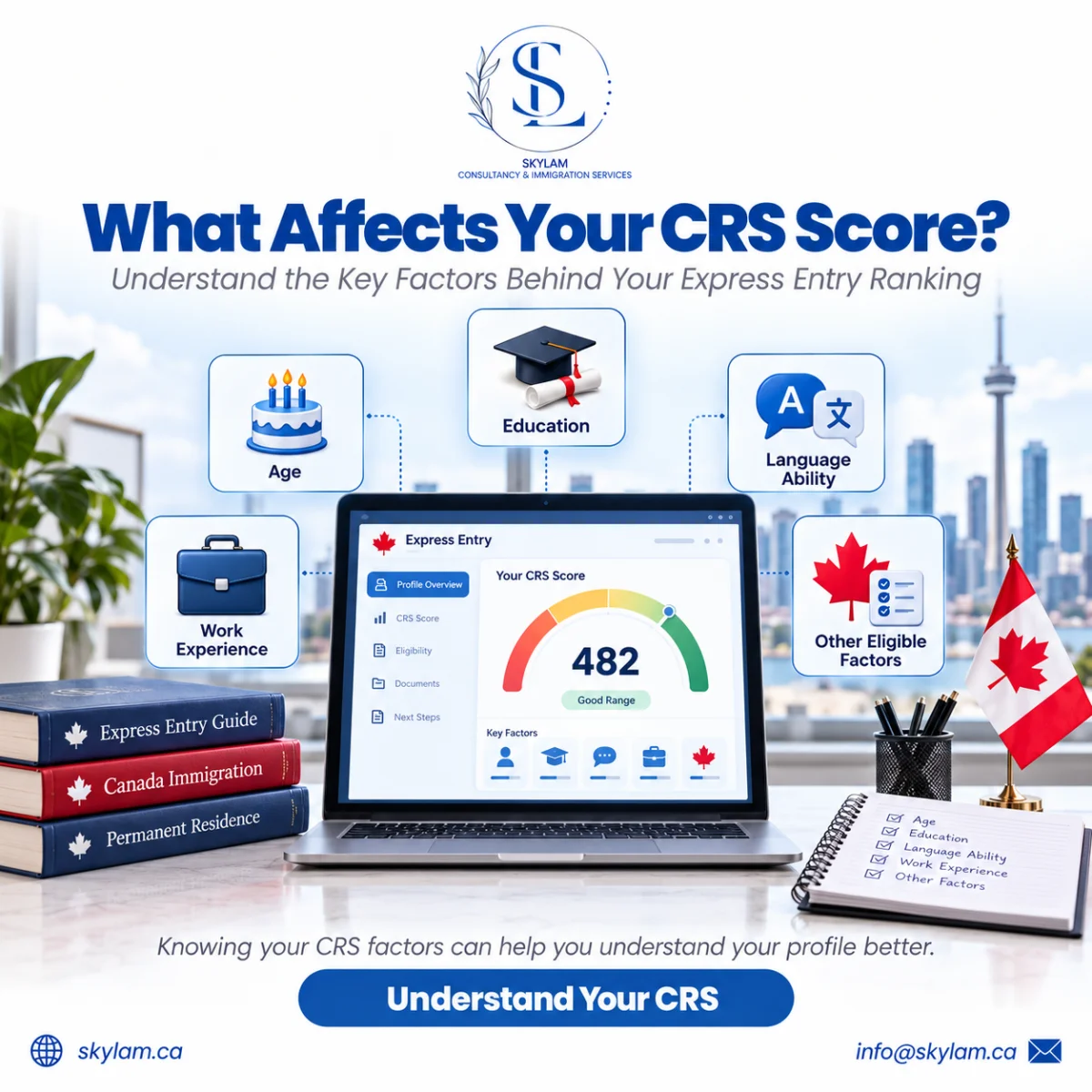
But eligibility depends on factors such as:
-
Age
-
Education
-
Work experience
-
Occupation
-
Language ability
-
Canadian experience
-
Family situation
-
Provincial connections
-
Job offers where applicable
-
Financial circumstances
Two applicants with similar educational backgrounds may have completely different immigration options because their work experience, age, language results or other circumstances are different.
This is why immigration planning should begin with profile assessment, not with a promise of a particular outcome.
What Should You Prepare Before Applying for Canadian PR?
If you are planning for Canadian permanent residence, start organizing your information early.
1. Passport and Identity Documents
Make sure your passport and identity information are accurate and up to date.
2. Education Documents
Collect relevant certificates, transcripts and other educational documents.
If your program requires an Educational Credential Assessment for foreign education, research the applicable ECA requirements.
3. Work Experience Documents
Maintain employment records, reference letters and other evidence that accurately describes your work experience.
Your actual duties should correspond with the occupational classification used in the application.
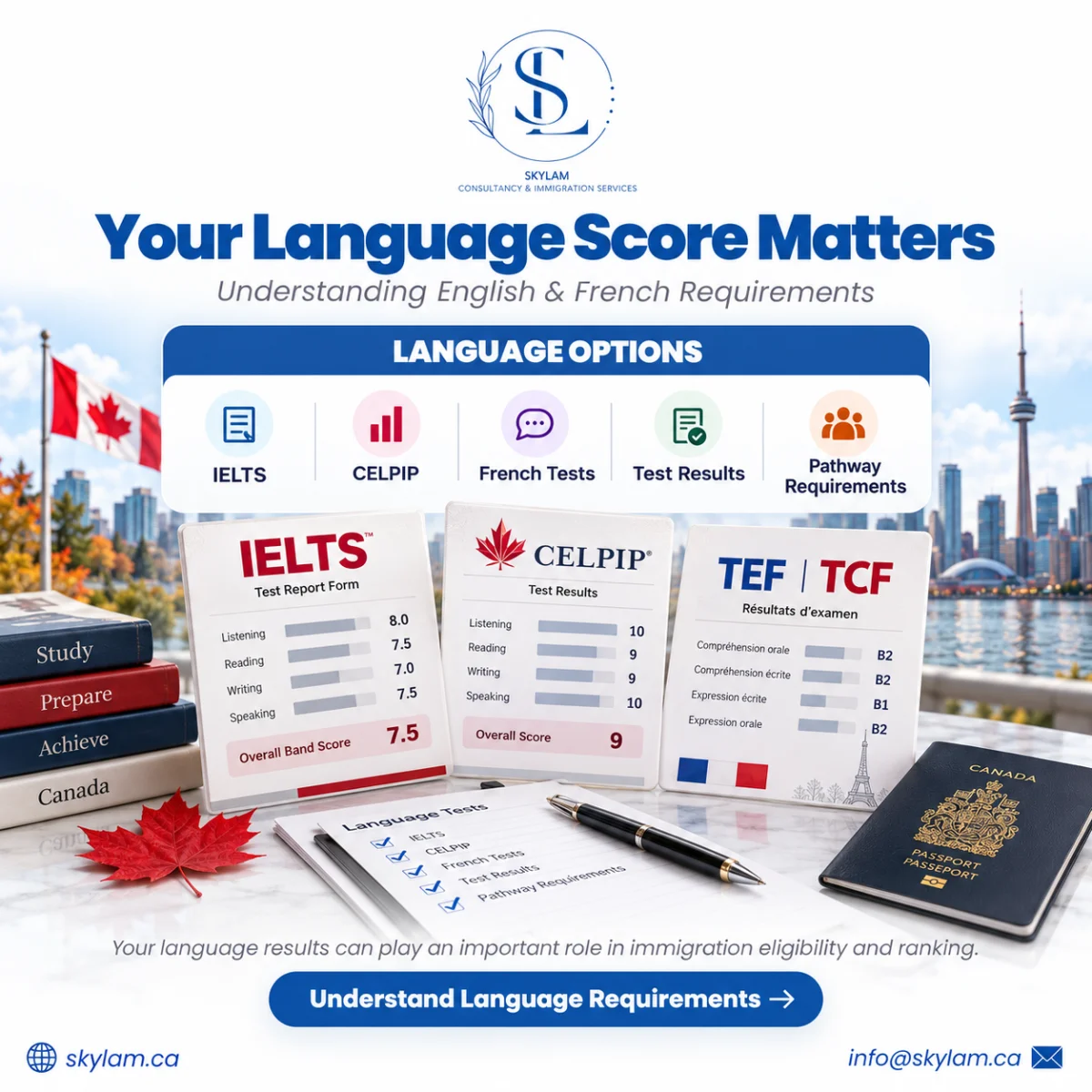
4. Language Test Results
If your program requires an approved language test, make sure you understand the test requirements and validity period.
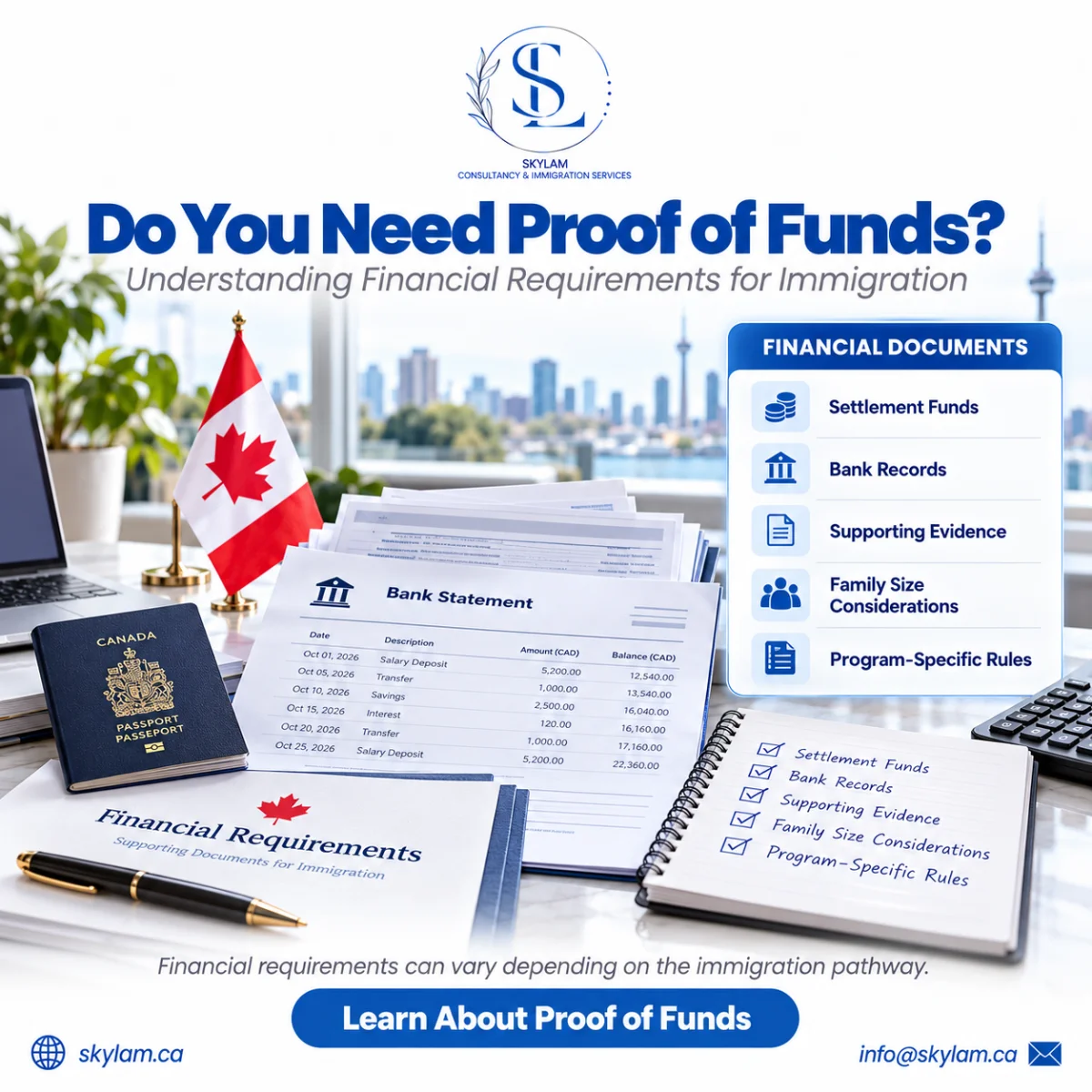
5. Financial Documents
Some immigration pathways require proof of funds or other financial evidence.
Applicants should ensure that their financial documentation is genuine and meets the specific program requirements.
6. Civil Documents
Depending on your circumstances, you may need documents related to:
-
Marriage
-
Divorce
-
Birth
-
Children
-
Family relationships
-
Other civil-status information
The exact documents vary by program.
Common Misunderstandings About Canadian PR
"PR Means I Am a Canadian Citizen"
No.
Permanent residence and citizenship are different statuses.
"I Can Stay Outside Canada as Long as I Want"
Not necessarily.
You generally need at least 730 days in Canada during the relevant five-year period to meet the residency obligation.
"My PR Status Ends When My PR Card Expires"
No.
An expired PR card does not automatically mean you have lost PR status.
"A PR Card Is My Immigration Status"
The PR card is evidence of permanent resident status. The card and the underlying status are not identical.
"PR Automatically Gives Me Canadian Citizenship"
No.
Citizenship requires a separate application and eligibility assessment.
"Permanent Residents Can Vote"
Generally, no.
Permanent residents cannot vote or run for political office under the current rules.
What Can Cause Someone to Lose Permanent Resident Status?
Permanent resident status is not simply cancelled because a PR card expires.
According to the Government of Canada, PR status can be lost in specific circumstances, including when an official determination is made that the person no longer has PR status, when the person voluntarily renounces PR status, when a removal order comes into force, or when the person becomes a Canadian citizen.
A person who does not meet the residency obligation does not necessarily lose PR status automatically on the day they fall short.
There is an official process for determining loss of status.
This is another reason why permanent residents with complicated travel histories should understand the rules before making decisions.
Why Accurate Information Matters in a PR Application
Canadian immigration applications require accurate information.
Applicants should provide truthful details about their:
-
Education
-
Work experience
-
Family
-
Immigration history
-
Travel history
-
Language results
-
Financial circumstances
-
Other relevant information
Applicants should not alter documents or provide misleading information to make a profile appear stronger.
A permanent residence application is a legal immigration process, so accuracy and consistency are extremely important.
How Skylam Immigration Services Can Support Your PR Planning
For someone unfamiliar with Canada's immigration system, choosing a permanent residence pathway can feel complicated.
Skylam Immigration Services can help applicants understand the different areas they should consider when planning their immigration journey.
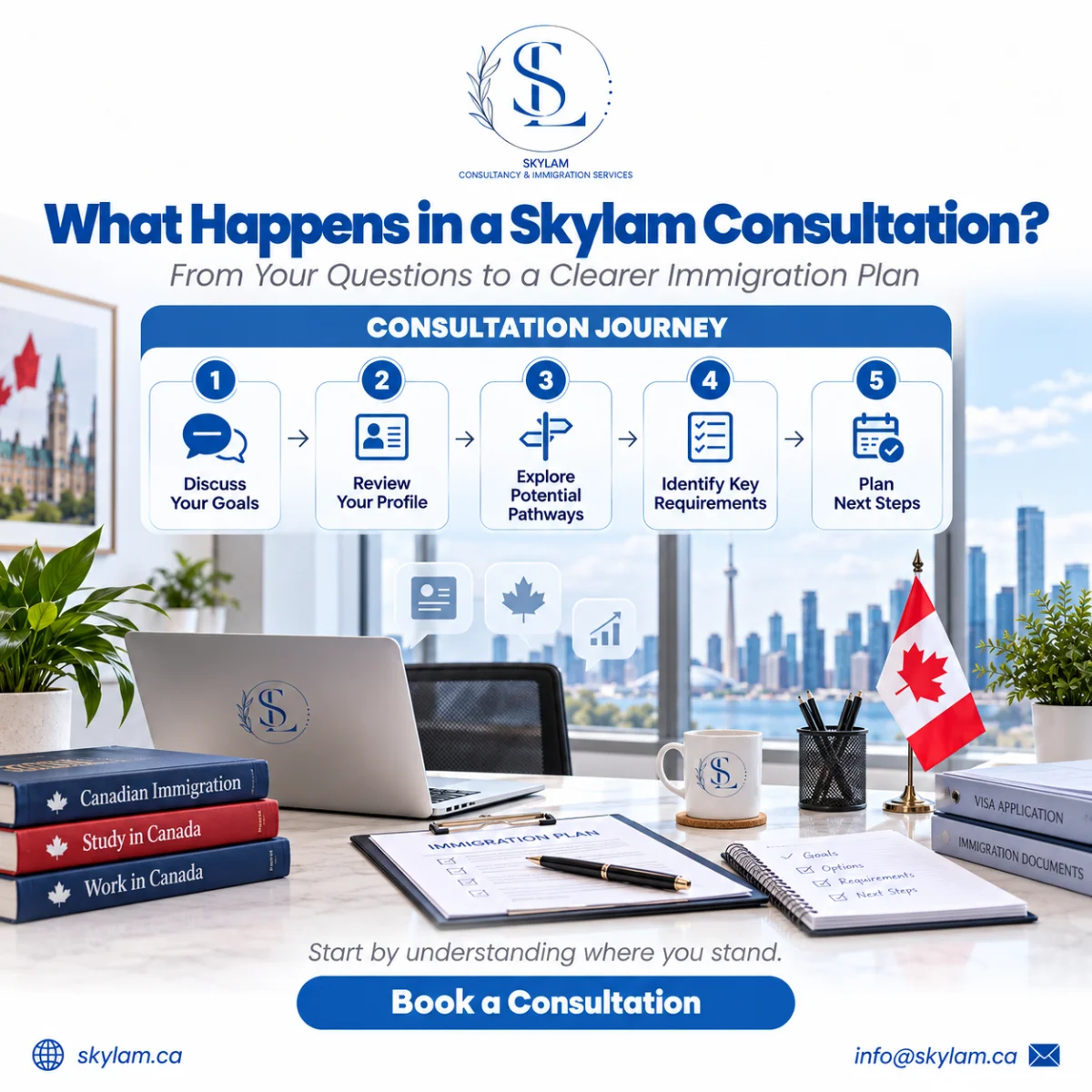
A consultation may be useful for questions such as:
-
Which Canadian PR pathway may be relevant to my profile?
-
Could Express Entry be an option?
-
Should I explore a Provincial Nominee Program?
-
What documents should I prepare?
-
What language test may be required?
-
How should I document my work experience?
-
What should I know about proof of funds?
-
What should I consider before submitting an application?
The goal of professional immigration support should be to help applicants understand the process and prepare accurate information.
No immigration service can legitimately guarantee permanent residence approval.
Frequently Asked Questions About Canadian Permanent Residence
What is Canadian permanent residence?
Canadian permanent residence is an immigration status that allows an eligible person to live, work and study in Canada on a long-term basis while remaining a permanent resident rather than a Canadian citizen.
Is Canadian PR the same as citizenship?
No. A permanent resident is not a Canadian citizen. PRs have many rights in Canada but cannot vote or run for political office and must maintain their residency obligation.
How many days must a Canadian PR stay in Canada?
Generally, a permanent resident must be physically present in Canada for at least 730 days during the last five years to meet the residency obligation.
Can a Canadian PR work anywhere in Canada?
Permanent residents generally have the right to live, work and study anywhere in Canada.
Can a permanent resident travel outside Canada?
Yes. PRs can travel outside Canada, but they should maintain their residency obligation and have the appropriate documents to return to Canada.
What happens if my PR card expires?
An expired PR card does not automatically mean that you lose your permanent resident status. However, you may need a valid PR card or appropriate travel document to return to Canada by commercial transportation.
Can I become a Canadian citizen after getting PR?
Yes, if you meet the citizenship eligibility requirements. One current requirement for adults is generally at least 1,095 days of physical presence in Canada during the five-year eligibility period, including at least 730 days as a permanent resident. Other requirements also apply.
Does everyone qualify for Canadian PR?
No. Applicants must qualify under a specific immigration program or pathway. Requirements vary depending on the program.
Is Canadian PR permanent forever?
Permanent residence is long-term status, but it is subject to legal requirements. In particular, PRs generally need to meet the residency obligation and can lose status through specific legal processes.
Final Thoughts
Canadian permanent residence can provide a strong foundation for building a long-term life in Canada.
As a permanent resident, you can generally live, work and study in Canada, access eligible social benefits and eventually apply for Canadian citizenship if you meet the requirements. At the same time, permanent residents have important responsibilities, including respecting Canadian laws, meeting tax obligations where applicable and maintaining the residency requirement.
The 730-day residency obligation is particularly important. Permanent residents generally need to be physically present in Canada for at least 730 days during the relevant five-year period.
It is also important to understand that a PR card is not the same thing as PR status. The card provides evidence of permanent residence and is important for international travel, but its expiry does not automatically end a person's permanent resident status.
For people planning Canada immigration in 2026, the journey should begin by understanding which permanent residence pathway fits their individual profile.
Whether you are considering Express Entry, a Provincial Nominee Program, family sponsorship, a regional immigration pathway or another program, accurate information and careful preparation are essential.
Permanent residence is an important milestone, but it is not the final step for everyone. For many newcomers, it can become the foundation for a longer-term plan that may eventually include Canadian citizenship.
Understand your pathway. Prepare accurately. Build your future in Canada with a realistic plan.
This article is intended for general informational purposes and does not constitute legal advice or guarantee immigration approval. Canadian immigration rules and program requirements can change. Applicants should verify the current requirements applicable to their individual circumstances before submitting an application.