
Canada Modernizes Its Asylum System: New Regulations Take Effect November 3, 2026
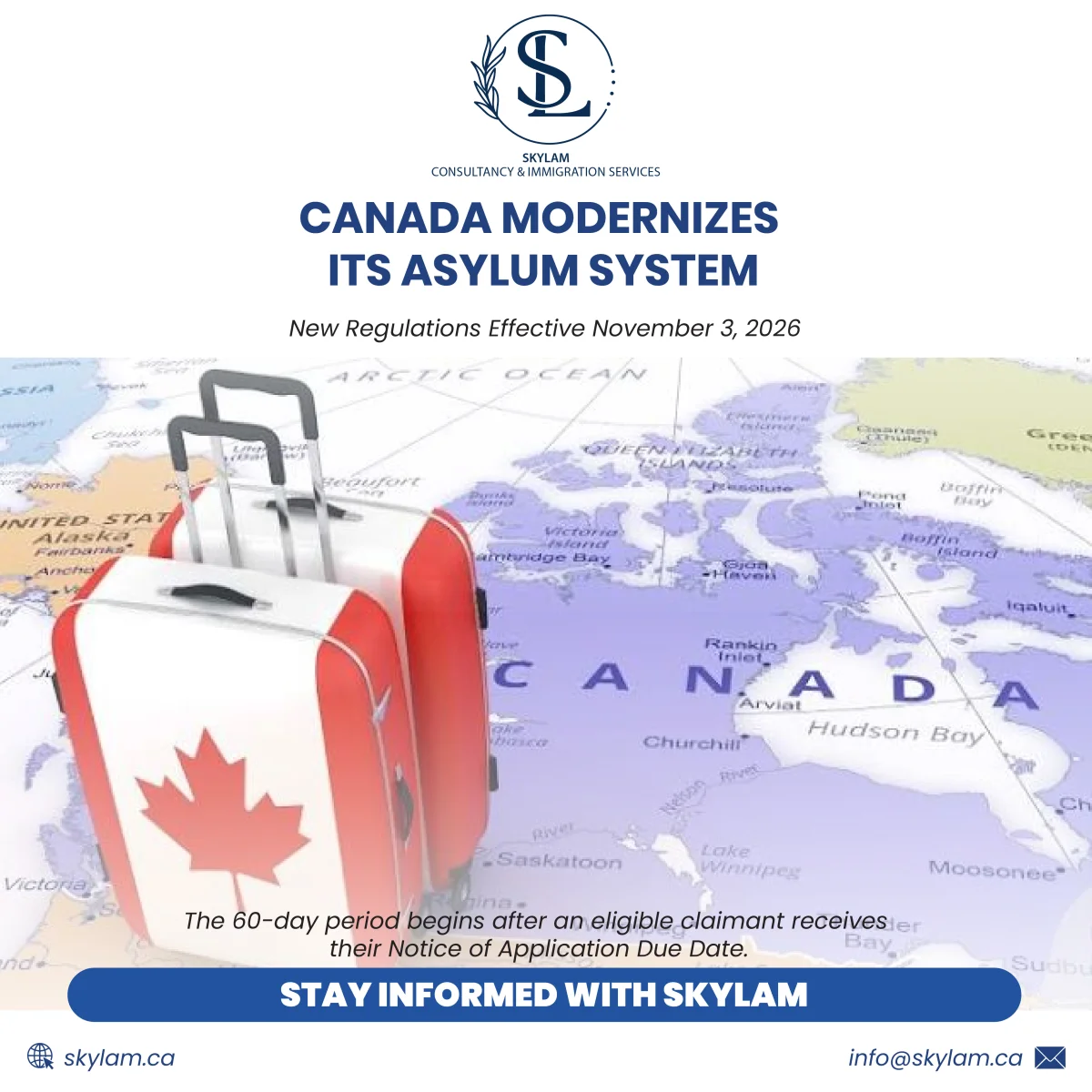
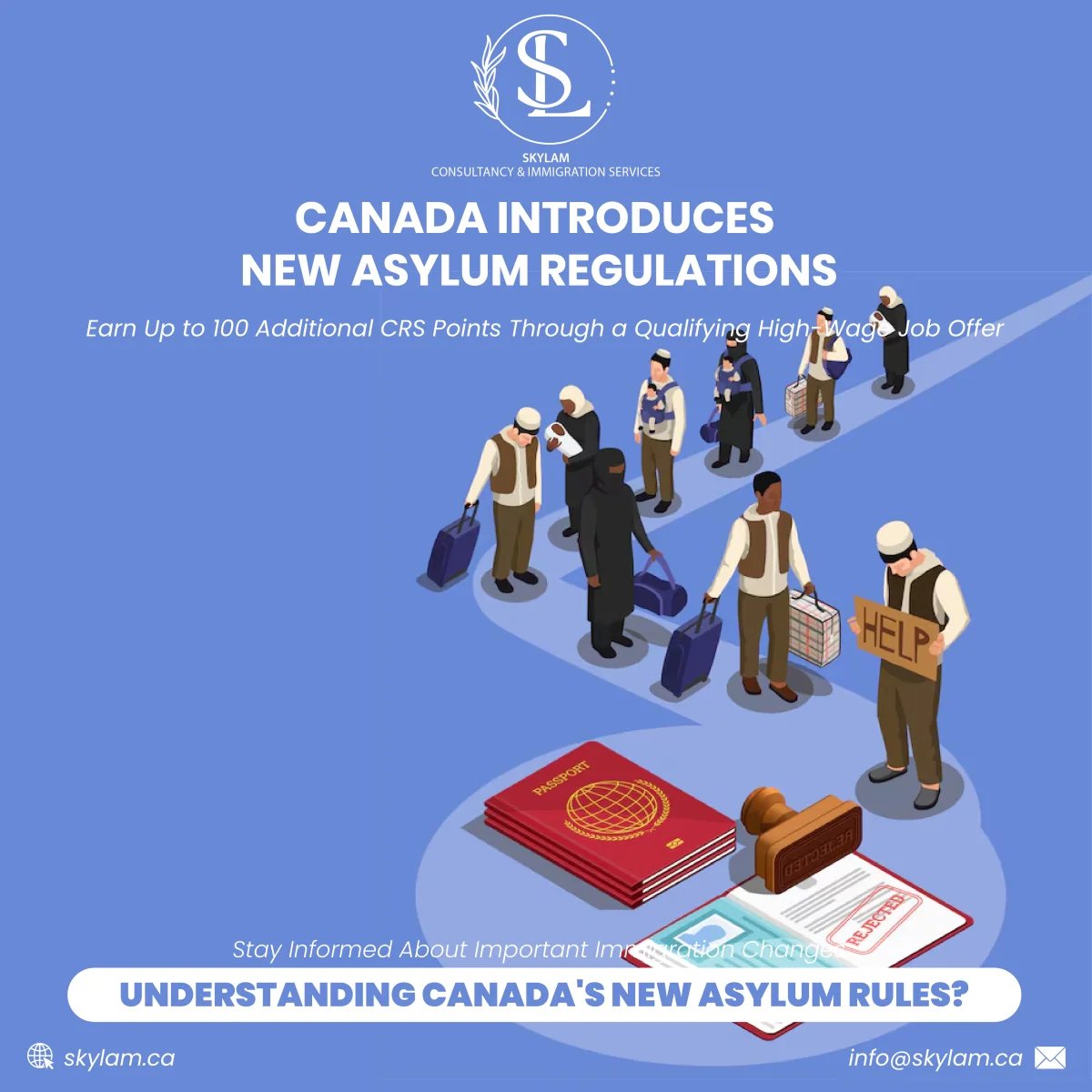
Canada has introduced new regulations to modernize its asylum system, establishing a single online application process, clearer submission timelines and updated procedures for refugee claims. The changes came into effect on November 3, 2026.
Immigration, Refugees and Citizenship Canada (IRCC) announced that finalized regulations under the Strengthening Canada's Immigration System and Borders Act are now in force.
The changes affect how asylum claims are received, reviewed and referred to the Immigration and Refugee Board of Canada (IRB). They also introduce clearer requirements for claimants and establish timelines for important government reviews.
For people seeking refugee protection in Canada, understanding these updated procedures is important.
1. New Regulations Officially Take Effect
On November 3, 2026, the Government of Canada implemented new regulations designed to modernize the asylum application process.
The changes introduce a single online application process for claims made inside Canada or at a port of entry.
According to IRCC, the updated system is intended to provide clearer requirements, reduce unnecessary administrative delays and help claims move more efficiently through the screening and referral process.
The regulations were introduced under the Strengthening Canada's Immigration System and Borders Act, also known as Bill C-12, which became law on March 26, 2026.
2. New 60-Day Application Submission Requirement
One of the most important changes is the introduction of a defined submission period for eligible asylum claims.
Eligible claimants will have:
-
60 days to submit their completed application and required supporting documents.
-
One additional 30-day extension, available upon request.
The deadline is connected to the claimant's Notice of Application Due Date, which is provided after the eligibility interview when the claim is found eligible.
This means the 60-day period does not simply begin when someone first indicates an intention to seek asylum through the online portal.
Claimants should carefully review the notice and follow the instructions provided by IRCC.
Missing required deadlines or failing to complete necessary steps may result in abandonment proceedings.
3. A Single Online Application Process
The updated regulations introduce a more consistent online process for asylum claims.
For people making a claim from inside Canada, the process begins through the IRCC Portal.
The general process includes:
-
Providing initial information through the IRCC Portal.
-
Indicating the intention to make an asylum claim.
-
Receiving an invitation to attend an in-person appointment.
-
Formally making the claim during the appointment with an immigration officer.
-
Receiving information about eligibility and the next steps.
For eligible claims, applicants will then receive instructions for completing their application and submitting the required documents.
This approach is intended to make the process more consistent for claims made inside Canada and at ports of entry.
4. Updated Rules for Withdrawn and Abandoned Claims
The new regulations also clarify how withdrawn and abandoned asylum claims are handled.
A claim may be considered withdrawn when the claimant provides written notice of their decision to withdraw it before referral to the IRB.
A claim may be considered abandoned when the claimant fails to take the required steps to continue the process.
The regulations clarify:
-
What claimants must do when the IRB determines that a claim has not been abandoned.
-
The circumstances in which a withdrawn claim may be reinstated by the Minister.
-
How inactive claims are handled before referral to the IRB.
These provisions establish clearer procedures for claims that are no longer actively being pursued.
5. Additional Support for Vulnerable Claimants
The updated regulations also address the needs of people who may require additional assistance during asylum proceedings.
This includes individuals under 18 and people who may not fully understand the proceedings.
The regulations clarify requirements relating to designated representatives, including:
-
When a designated representative must be appointed.
-
The responsibilities of designated representatives.
-
Requirements for individuals acting in this role.
-
When the appointment of a designated representative ends.
These provisions are intended to provide appropriate support to vulnerable claimants during the process.
6. Updated Government Review Timelines
Before an eligible asylum claim is referred to the Immigration and Refugee Board, relevant government partners conduct important reviews.
These include reviews related to:
-
Security
-
Criminality
-
Admissibility
-
Program integrity
The new regulations establish timelines for completing these government review activities before referral.
According to IRCC, completing these reviews earlier is intended to help reduce hearing delays and ensure that claims are ready to proceed through the next stage.
7. Safe Third Country Agreement: Clarification of the 14-Day Period
The new regulations also clarify how the Canada–United States Safe Third Country Agreement (STCA) and its Additional Protocol apply under the modernized asylum process.
One important clarification concerns the 14-day period under the Additional Protocol.
Under the updated process, this period begins when the individual submits the online application indicating their intention to make an asylum claim.
IRCC also clarified the requirement involving an in-Canada family member with a pending claim. Eligibility is now linked to the family member's claim being found eligible for referral to the IRB rather than simply being referred.
8. Work Permits for Eligible Asylum Claimants
The regulations maintain access to work permits for eligible asylum claimants.
Eligible individuals can access work permits after submitting a complete asylum claim.
However, the overall timeline depends on how quickly the claimant completes the application process and meets the applicable requirements.
This provision allows eligible individuals to access employment opportunities while waiting for a decision on their asylum claim.
9. Exceptions to the New Ineligibility Rules
The updated regulations include exceptions intended to ensure that certain individuals are treated appropriately under the new ineligibility requirements.
Two important exceptions include:
-
Unaccompanied minors: An exception applies to children who are not accompanied by a legal guardian.
-
Certain individuals within their first year in Canada: An exception applies to individuals who register through the online portal and indicate their intention to seek asylum within their first year in Canada.
These exceptions help clarify how the new eligibility requirements apply to specific groups.
10. What Should Asylum Claimants Understand?
The updated regulations introduce important procedural requirements. People considering or pursuing an asylum claim should pay attention to the following points:
-
Review the latest IRCC instructions before beginning an application.
-
Understand the online application process.
-
Attend the required in-person appointment.
-
Carefully review the Notice of Application Due Date.
-
Submit the completed application and required documents within the applicable deadline.
-
Understand the conditions for requesting the one-time extension.
-
Follow the instructions provided by IRCC throughout the process.
Because asylum eligibility and individual circumstances can differ, applicants should seek advice from an authorized Canadian immigration or legal professional when necessary.
Frequently Asked Questions
1. When did Canada's new asylum regulations take effect?
The new regulations came into force on November 3, 2026.
2. How much time do eligible claimants have to complete their applications?
Eligible claimants have 60 days to submit their completed application and required documents.
3. Is an extension available?
Yes. A one-time 30-day extension is available upon request.
4. When does the 60-day period begin?
It begins after an eligible claimant receives their Notice of Application Due Date.
5. Can eligible asylum claimants access work permits?
Yes. Eligible claimants can access work permits after submitting a complete claim, subject to applicable requirements.
6. Does the new process apply to claims made inside Canada?
Yes. The regulations introduce a single online application process for claims made inside Canada and at ports of entry.
Conclusion
Canada's updated asylum regulations represent an important procedural change in how refugee claims are received, reviewed and referred for decisions.
The introduction of a single online application process, a 60-day submission period and updated rules for claimants establishes clearer requirements under the modernized system.
Understanding these changes can help individuals stay informed and better prepare for the applicable application procedures.
Skylam Immigration Services is committed to sharing reliable Canadian immigration updates and helping individuals understand important changes to immigration processes.