
Canada’s New Asylum Regulations Take Effect: Understanding the 60-Day Submission Requirement
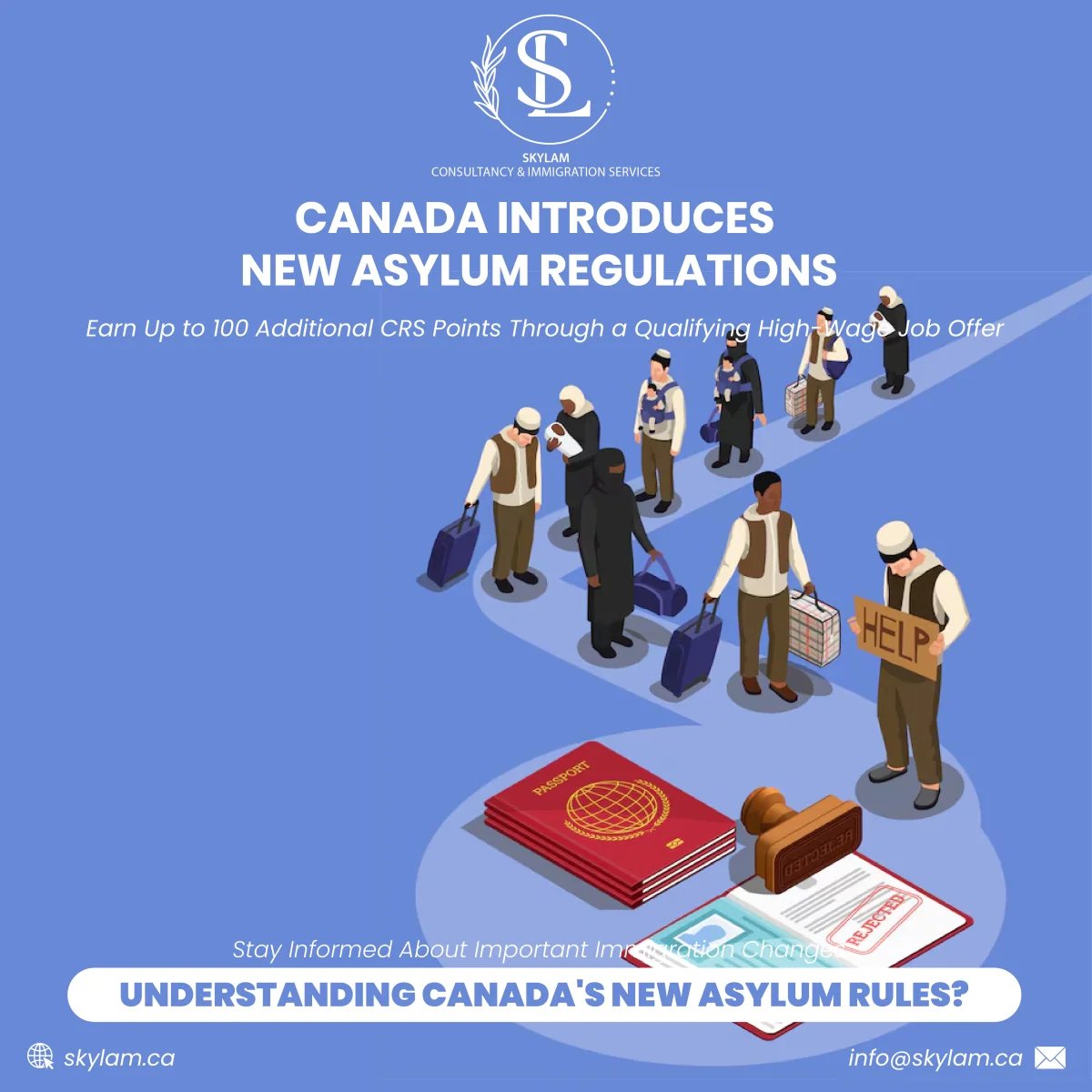
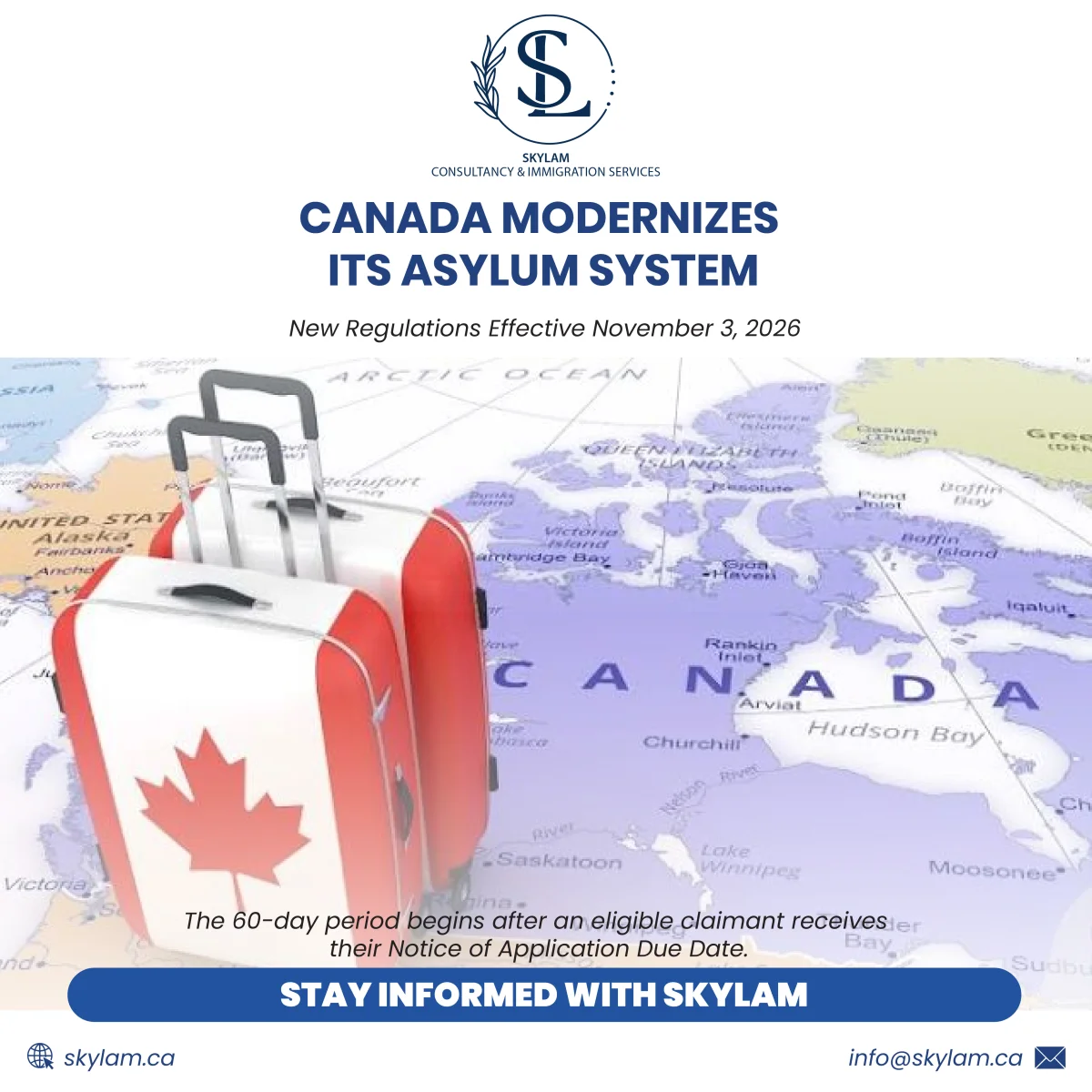
Canada has officially introduced new regulations to modernize its asylum and refugee protection system. The changes came into force on November 3, 2026, under the Strengthening Canada's Immigration System and Borders Act, also known as Bill C-12.
Immigration, Refugees and Citizenship Canada (IRCC) confirmed that the finalized regulations introduce a single online application process, clearer submission deadlines, updated procedures for withdrawn and abandoned claims, and additional provisions for vulnerable claimants.
One of the most important changes is the introduction of a 60-day deadline for eligible asylum claimants to submit their completed application and required supporting documents.
Claimants can also request a one-time extension of 30 days.
These changes affect people making asylum claims from inside Canada and at ports of entry. They also introduce new procedures for government reviews, work permit access and the administration of refugee claims.
For individuals currently navigating Canada's asylum system, understanding the updated requirements is important.
This article explains the major changes and what they mean for asylum claimants.
1. What Changed in Canada's Asylum System on November 3, 2026?
The Canadian government has implemented finalized amendments to the Immigration and Refugee Protection Regulations.
The regulations were introduced under Bill C-12, which received Royal Assent on March 26, 2026.
The main objective is to improve the efficiency and consistency of Canada's asylum process while maintaining access to refugee protection for people who need it.
The new regulations introduce several important changes:
-
A single online application process for asylum claims.
-
A revised claim-initiation procedure for people applying from inside Canada.
-
A 60-day deadline for eligible claims.
-
A one-time 30-day extension upon request.
-
Updated procedures for withdrawn and abandoned claims.
-
Clearer requirements for designated representatives supporting vulnerable claimants.
-
Updated rules for eligible asylum claimants seeking work permits.
-
Clarification of the Canada–United States Safe Third Country Agreement's 14-day period.
-
Exceptions to certain new asylum ineligibility provisions.
These are finalized regulations that are now in effect, rather than proposed policy changes.
2. The New 60-Day Asylum Application Requirement
One of the most significant changes is the introduction of a clear deadline for completing an eligible asylum claim.
Under the new regulations, eligible claimants have:
60 Days
Initial application deadline
Claimants must submit their completed application and required supporting documents within 60 days after receiving their Notice of Application Due Date.
30 Days
One-time extension
Claimants can request an additional 30 days through the IRCC Portal before the original deadline.
The extension is available once and applies to everyone included in the same family group.
This means that eligible claimants should organize their application information and supporting documents carefully to avoid missing the deadline.
What happens if someone misses the deadline?
If a claimant fails to complete their application by the required date, their case may be referred to the Immigration and Refugee Board of Canada (IRB) for pre-referral abandonment proceedings.
The same process may apply when a claimant fails to provide requested documents by the specified deadline or misses a scheduled appointment or interview.
The IRB will determine whether the claim has been abandoned.
3. A New Online Application Process for Asylum Claims
Canada has introduced a more standardized online application process for asylum claims made inside the country and at ports of entry.
The process is designed to make application requirements clearer and reduce administrative duplication.
However, the process differs depending on where the claimant starts their application.
For people making claims from inside Canada
Inland claimants must first use the IRCC Portal to provide information and indicate their intention to make an asylum claim.
The next steps include:
-
Entering personal information and details about family members included in the claim.
-
Answering questions about their background.
-
Uploading the required identification documents.
-
Receiving instructions for an in-person appointment.
-
Attending an eligibility interview with an immigration officer.
At the in-person appointment, the claimant formally makes their asylum claim to an officer, who assesses eligibility.
If the claim is found eligible, the claimant receives a Notice of Application Due Date and instructions for completing the application online within 60 days.
For people making claims at a port of entry
Individuals arriving at an airport or border crossing can make an asylum claim to a Canada Border Services Agency (CBSA) officer.
Following the initial process, claimants may need to link their claim to an IRCC Portal account and complete the required online application and documentation.
The updated system creates a more consistent application process for both inland and port-of-entry claims.
4. New Rules for Withdrawn and Abandoned Asylum Claims
The regulations also clarify what happens when an asylum claim is withdrawn or considered abandoned.
These changes are important because an incomplete or inactive application can affect whether a claim proceeds to the Immigration and Refugee Board.
Withdrawn claims
The new regulations clarify the circumstances under which a claim that was withdrawn by the Minister can be reinstated.
They also explain how a claimant can proceed when a claim has not yet been referred to the IRB.
Abandoned claims
A claim may be considered abandoned when the claimant does not take the required steps to continue the application.
Examples include:
-
Failing to complete the application by the deadline.
-
Not providing requested information or documents.
-
Missing a scheduled appointment or interview.
If the claim is referred for pre-referral abandonment proceedings, the IRB determines whether it has been abandoned.
However, there may be an opportunity to address certain outstanding requirements before the IRB makes its decision.
Claimants should carefully follow official instructions and deadlines throughout the process.
5. Additional Support for Vulnerable Asylum Claimants
Another important part of the new regulations concerns vulnerable individuals who may require additional assistance during asylum proceedings.
Some claimants may have difficulty understanding the application process or participating fully in legal proceedings.
This can include:
-
Individuals under 18 years of age.
-
People who cannot fully understand the nature of the proceedings.
-
Individuals who require additional support to participate meaningfully in the process.
The regulations clarify when a designated representative must be appointed.
They also establish the responsibilities and requirements of individuals acting as designated representatives, including when their appointment ends.
The purpose is to provide appropriate support and help vulnerable claimants participate in the asylum process.
6. Changes to the Canada–United States Safe Third Country Agreement
The new regulations also clarify how the Canada–United States Safe Third Country Agreement (STCA) and its Additional Protocol apply under the updated asylum application process.
One particularly important clarification concerns the 14-day period under the Additional Protocol.
IRCC confirmed that the 14-day period begins when an individual submits the online application indicating their intention to make an asylum claim.
This clarification aligns the timing of the Additional Protocol with the new online claim-initiation process.
The government has stated that these regulatory clarifications do not change the practical application of the STCA for affected claimants.
Individuals considering an asylum claim involving the United States should understand that eligibility under the agreement depends on the applicable rules and exceptions.
7. Work Permit Access for Eligible Asylum Claimants
The updated regulations also address work permit access for eligible asylum claimants.
IRCC has made the existing approach to issuing work permits permanent.
Under the updated process, eligible claimants can request a work permit when completing their refugee claim application.
They do not need to submit a separate work permit application or pay an additional application fee for this request.
However, receiving a work permit is not automatic.
IRCC confirms that claimants will not receive their work permit until they have:
-
Submitted their complete asylum application.
-
Passed their immigration medical examination.
-
Met the applicable requirements.
This provision allows eligible claimants to access employment opportunities while waiting for a decision on their asylum claim.
8. Exceptions to the New Asylum Ineligibility Rules
The new regulations also provide exceptions to certain asylum ineligibility provisions.
IRCC has confirmed two important exceptions.
Exception 1: Unaccompanied minors
An exception applies to unaccompanied minors under the new ineligibility rules.
This provision recognizes the particular circumstances of minors who do not have a parent or legal guardian accompanying them.
Exception 2: Individuals who indicate their intention to claim within their first year in Canada
An exception also applies to individuals who register through the online portal and indicate their intention to seek asylum within their first year in Canada.
This allows qualifying individuals who meet the relevant conditions to have their claims referred to the IRB.
These exceptions are specific to the applicable ineligibility rules. They do not mean that every asylum claim automatically qualifies for a hearing or approval.
9. What Should Asylum Claimants Do Under the New Rules?
The updated regulations make it important for claimants to understand the application process and keep track of official deadlines.
Here are some practical considerations:
1. Understand the new application process
People making inland claims should become familiar with the IRCC Portal and the requirement to attend an in-person eligibility appointment.
2. Prepare supporting documents
Claimants should organize their identification documents, personal information and relevant supporting evidence.
3. Monitor the 60-day deadline
Once an eligible claimant receives a Notice of Application Due Date, they should carefully track the deadline for submitting the completed application.
4. Request an extension when necessary
If more time is required, claimants can request the one-time 30-day extension through the IRCC Portal before the original deadline.
5. Follow all official instructions
Missing appointments, failing to submit documents or ignoring requests for additional information may lead to abandonment proceedings.
6. Understand work permit eligibility
Eligible claimants should review the requirements for requesting a work permit as part of their completed asylum application.
7. Seek qualified legal assistance when needed
Asylum applications involve important legal and personal circumstances. Claimants with questions about eligibility, deadlines or their individual situations should consider obtaining advice from a qualified Canadian immigration or refugee law professional.
10. When Were the New Regulations Published?
The new regulations came into force on November 3, 2026.
According to IRCC's November 3 news release, the finalized regulations were scheduled for publication in the Canada Gazette, Part II, on November 4, 2026.
The Immigration and Refugee Board also confirmed that amendments to its Refugee Protection Division Rules came into force on November 3, 2026.
These developments confirm that the changes are part of the implemented regulatory framework, rather than simply proposed reforms.
Frequently Asked Questions (FAQs)
1. When did Canada's new asylum regulations take effect?
The new regulations came into force on November 3, 2026.
2. How many days do eligible asylum claimants have to complete their applications?
Eligible claimants have 60 days after receiving their Notice of Application Due Date to submit their completed application and required documents.
3. Can asylum claimants request additional time?
Yes. A one-time 30-day extension is available through the IRCC Portal. It must be requested before the original deadline.
4. Does the new process apply to inland asylum claims?
Yes. Inland claimants must initially provide information through the IRCC Portal and then attend an in-person appointment to formally make their claim.
5. What happens if an asylum claimant misses the 60-day deadline?
The claim may be referred to the IRB for pre-referral abandonment proceedings.
6. Can eligible asylum claimants receive work permits?
Yes. Eligible claimants can request a work permit as part of their completed asylum application, subject to the applicable requirements and medical examination.
7. What is the new 14-day rule under the Safe Third Country Agreement?
The 14-day period under the Additional Protocol begins when an individual submits the online application indicating their intention to make an asylum claim.
8. Do the new regulations provide exceptions for vulnerable claimants?
Yes. The regulations clarify designated representative requirements and provide exceptions to certain ineligibility provisions, including for unaccompanied minors.
9. Do the new regulations apply to claims made at Canadian ports of entry?
Yes. The updated system covers asylum claims made at ports of entry as well as claims made from inside Canada.
Final Takeaway
Canada's new asylum regulations represent an important change to the country's refugee protection system.
Effective November 3, 2026, the updated framework introduces a standardized online application process, clearer deadlines and additional procedures for managing asylum claims.
The most important requirement for eligible claimants is the 60-day application deadline, with a one-time 30-day extension available upon request.
The changes also clarify procedures for withdrawn and abandoned claims, provide additional support for vulnerable individuals and maintain work permit access for eligible claimants.
Understanding these requirements is essential for people navigating Canada's asylum system.
Skylam Immigration Services — helping you understand Canadian immigration changes and plan your pathway with confidence.